What Really Sank the “Never-Ending Cruise”
John Ho · Thu Nov 05 2026
At around 6am on October 26, residents of the Villa Vie Odyssey got a message telling them to be off the ship by 2pm.
The ship was in Sihanoukville, Cambodia. 203 residents from 15 countries had eight hours to pack up the place they called home and walk off into a town most of them had never planned to see, with no idea where to go next. Some cabin owners had sold their houses to be on board, and now that home was gone too.
Randy Cassingham, who lived aboard with his wife Kit and has been blogging the whole saga on his site Residential Cruising, summed it up in one line: “We are effectively homeless.”
The news headlines pointed to soaring fuel prices that led to suspension of operations. But I suspect there’s more than that. Knowing there is a demand in this alternative way of traveling/living I decided look a little deeper.
What Villa Vie was selling
Villa Vie Residences is a Florida-based residential cruise company co-founded by Mikael Petterson. The company bought a 30-year-old cruise ship in 2023, renamed it the Odyssey, and sent it around the world to become a moving home for hundreds who dream to travel and live at sea:
A 3.5-year world itinerary with around 425 destinations in 147 countries, including 100+ islands.
Spend two to seven days in each port, rather than just a few hours like on a conventional cruise.
No need to commit to the whole loop. You could join for a segment or pay by the day as an option.
The company was pitching at retirees, remote workers, digital nomads and anyone who wanted to travel long and slow without packing a suitcase every week.
Buying-in
There were a few ways:
Villa ownership. Buy the rights to a cabin for the operating life of the ship, estimated at about 15 years. Prices started at US$100,000 to $440,000 for lifetime permanent residency, plus a monthly fee.
Entry-Level / 5-Year Terms: Shorter commitment tiers (such as a 5-year residency option) started as around $50,000USD
There’s also the Per Day/Segment Rates that started at around $89 to $109+ per day per person for inside cabins to rent.
The monthly fee covered your cabin, all meals, Wi-Fi, housekeeping and basic medical consultations. For someone who wanted to see the world without maintaining a house, that was appealing to many when you don’t have a job to ground you in any physical location.
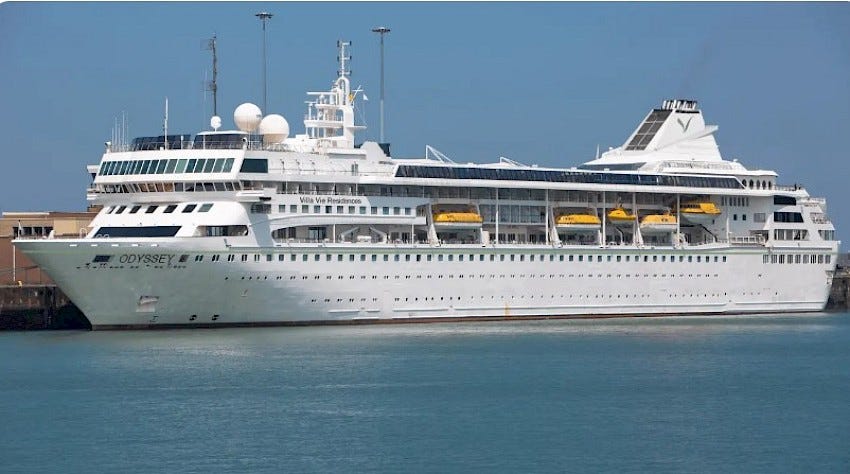
A rough start
The Odyssey was meant to leave earlier, unfortunately drydock found problems with the rudders and gearbox, certification dragged, and residents waited around Northern Ireland for four months but it finally sailed in October 2024.
Getting the ship ready cost about $15 million more than they budgeted.
What went wrong
The obvious reason was surging fuel prices with the war in the Middle East, the company says fuel in parts of Asia went from about $1,800 to between $6,000 and $8,000 per cabin per month.
But reading through the forums and blogs from residents’ accounts, there were more red flags that few noticed early on:
1. An old asset that’s expensive to keep. A 30-year-old ship is cheap to buy and expensive to keep. The $15 million overrun before it even sailed and the failed sanitation inspection were the signs.
2. Revenue leaned on upfront sales. Cabin sales generated one-time revenue, but the ship needed recurring monthly income to cover its operating costs. With around 139 cabins unsold, and monthly fees only kicking in when cabins were occupied, operational revenue fell short. The business model may have been built on overly optimistic assumptions about cabin sales and occupancy rates.
3. The numbers didn’t work even when full. Internal documents reviewed by CBS put monthly operating costs at $3.1 million against $2.5 million in revenue at 100% occupancy. A source disputes the cost figure, but if it’s even close, the ship lost money on its best day.
4. Fuel was baked into the price. The all-inclusive fee included the one cost the company couldn’t control. When fuel tripled, the company said the increase was too big to pass on to residents. There was no buffer and no surcharge to fall back on.
5. No cash cushion. In April, the company asked residents for loans at interest rates of 12–24%, raising around $2 million, but the funds only bought a few more months. By August 1, CEO Kathy Villalba had warned residents that the company’s reserves were exhausted. The ship was subsequently detained in Hong Kong over an unpaid $167,844 fuel bill, while in Singapore, a $400,000 fuel payment had to be covered directly by a resident. Turning to customers for high-interest loans suggests the company had exhausted, or struggled to secure, more conventional sources of financing..
6. Cost-cutting ate the product. To cut fuel costs, the ship slowed down and spent more time at anchor. Between October 2024 and October 2026, it made only 198 of 275 planned port calls, a 28% reduction. Residents also reported declining services, delayed crew salaries and worsening onboard conditions. As some residents tried to sell their cabins, the company faced further financial pressure, creating a vicious cycle of declining service, falling confidence and weakening finances.
How it ended
The last attempt to keep the Odyssey going came from the residents. 169 of them pledged money for a group to buy the ship, but they gave up after finding the company owed far more than they expected.
On November 1 the lenders took control of the ship. It’s expected to head to Singapore and could be auctioned. Villa Vie is now pitching a restructuring to win it back, which could include more money from residents.
Demand was not the problem
The Odyssey didn’t fail on demand. It failed on operations and financial management.
And Villa Vie isn’t the only community-based business with strong appeal and weak fundamentals.
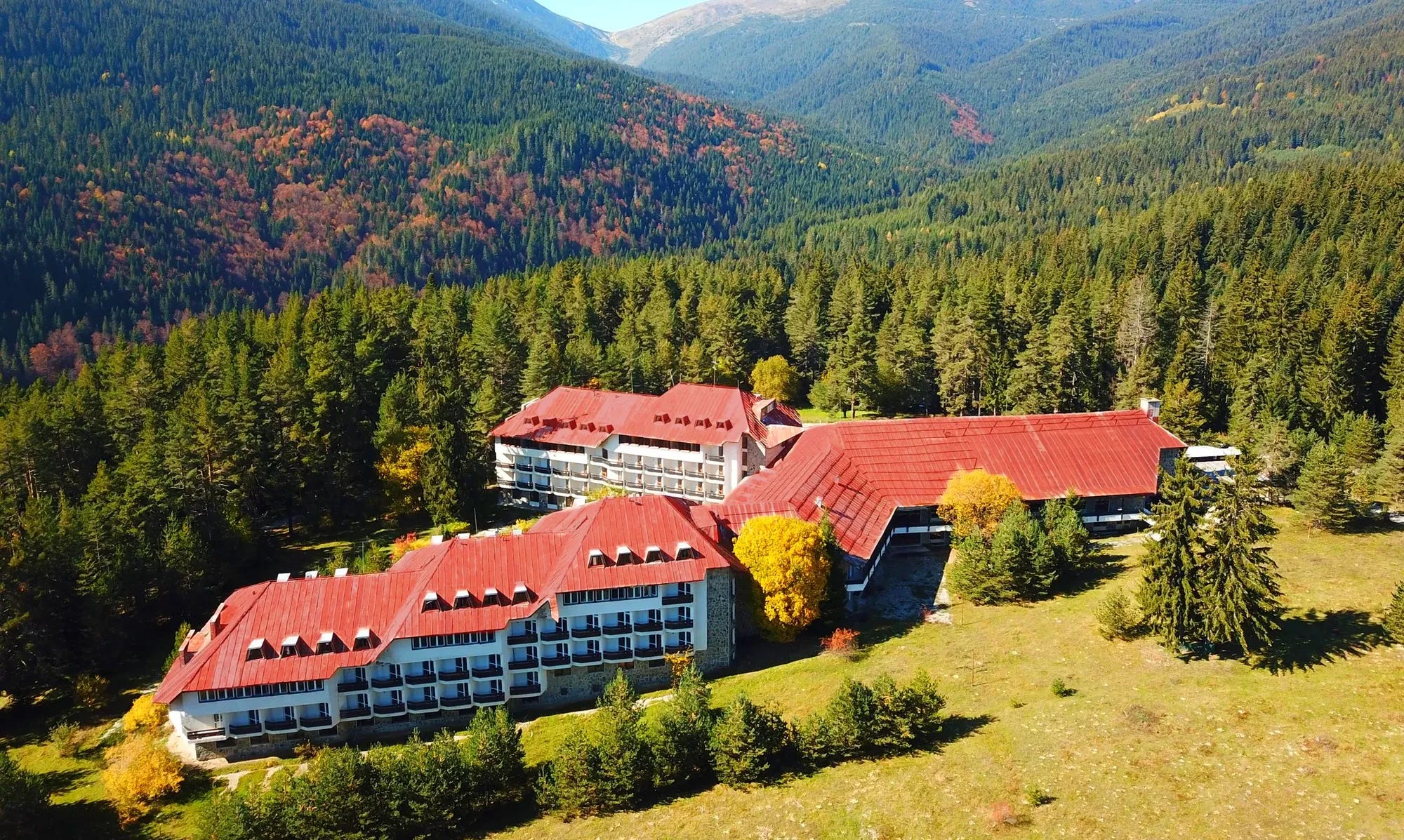
Coliving Semkovo is another project I heard of when I attended Bansko Nomad Fest in 2024. Semkovo is an old ski resort up in Bulgaria’s Rila mountains, not far from Bansko. The project bought a 16,700m² communist-era hotel there and set out to turn it into about 200 apartments for nomads, run as a co-op. Instead of renting a room, you can buy and own a studio from around €15,000, and could live in it or rent it out through the coliving.
The idea caught on. By early 2023, 68 people had committed money, and by early 2026 most of the units were sold. According to the website, the plan at the time was a grand opening that winter, and the FAQ later pointed to a soft opening in March 2024 and it was meant to be finished by now.
Renovation has been going on for more than two years. From what I know, rennovation budget fell short. Construction costs and working with contractors were underestimated, and is now l€3 million short of what it needs to finish. The owners now form a new board and are trying to find that money. The people who bought in still don’t have a date to move in.
Before you buy into “community”
If you’re looking at an alternative housing project that uses community as a marketing point, whether it’s a ship, a nomad village or a coliving membership, treat it like investing in a startup company. You’re buying into the operator as much as the room.
I’m not a lawyer or a financial advisor but these are questions I would ask before handing anyone a deposit:
Has anyone on the team run this kind of operation before?
Who runs the space day to day? Is that a different person from the one selling it to you?
Does it still make money when occupancy falls below the target percentage?
How many months could the project sustain if sales stopped tomorrow?
Which big costs are bundled into your fee that the company doesn’t control (fuel, rent, energy)? What does the contract say happens when they go up?
Who owns the asset, and who holds the loan on it? If the lender takes over, where do you stand?
Can you sell or transfer your place? and is there a real market for it?
Is there a construction budget with a contingency?
What happens to your d
eposit if the timeline slips by a year, or two?
The nomadic lifestyle isn’t going anywhere, and nobody ages out of wanting it. The industry serving it is still very early stage. The next company to build for these people, on a ship or on land, has to get the boring parts right first.
John Ho runs Alt_ChiangMai & Alt_PingRiver, two coliving and coworking spaces in Chiang Mai, and leads the Nomad Friendly District initiative. The Extended Stay covers emerging trends in community-powered hospitality for operators and ecosystem builders.
Read the original on Substack →