The Smaller Work Gets, the More People Pay to Be Together
John Ho · Thu Oct 22 2026
Every other week, George Siosi runs a meetup called Conscious Technologist at Alt_PingRiver, my second coliving & coworking space in Chiang Mai. Siosi is a seasoned tech founder who recently relocated to Chiang Mai, and he’s an active community builder. Every time he runs the meetup, the room is a bit fuller than the last.
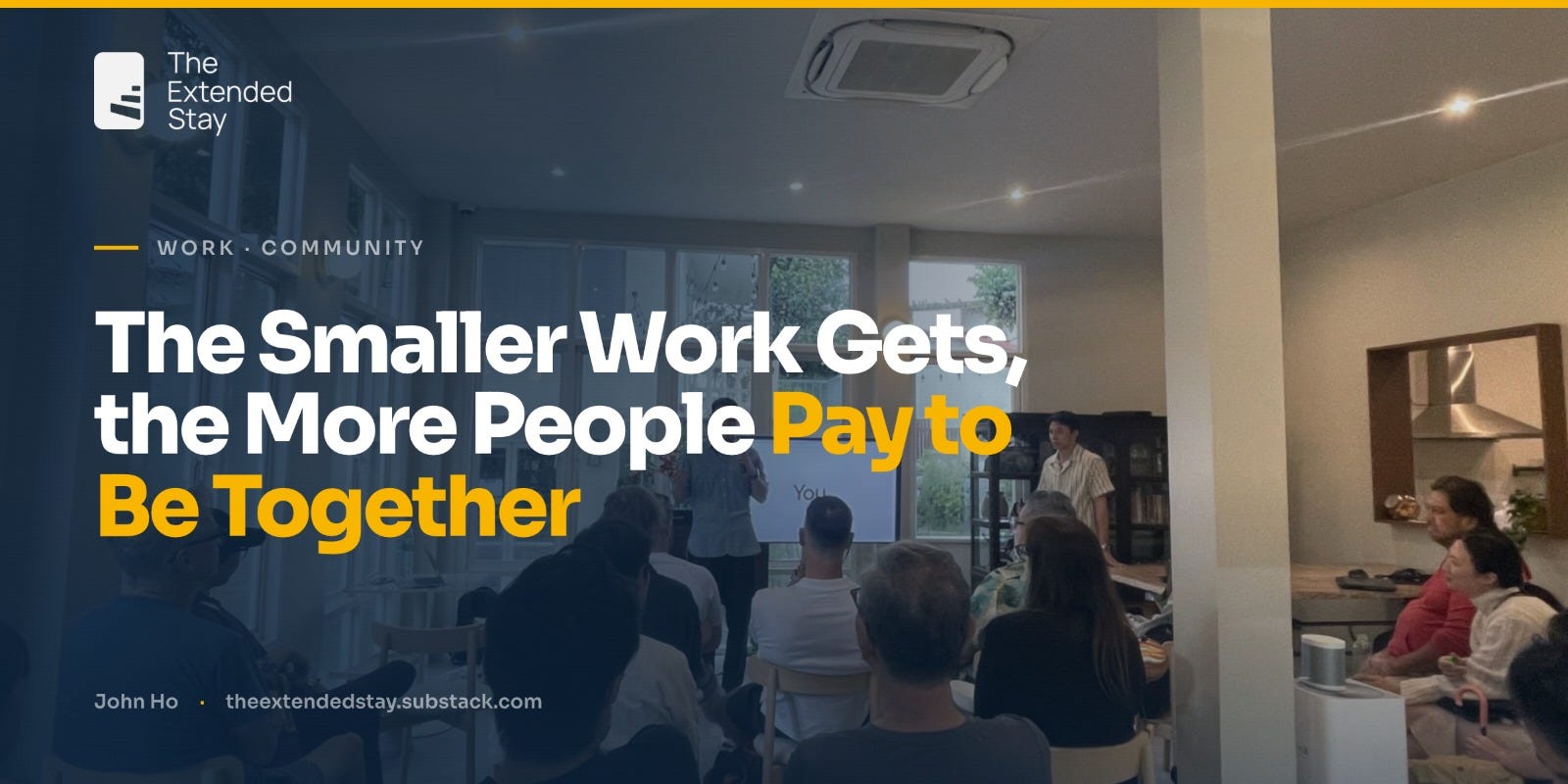
I think there are more and more people like Siosi moving to Chiang Mai, and this piece is my attempt to explain why.
Siosi’s meetup is one of many signs. Looking back at the past 12 months of residents staying at Alt_, the meetups, the conversations, the things people are working on, almost all of it leads to something AI related. Many of the Web3 and crypto communities I know are also shifting to AI projects, and vibe coders staying with us are building apps on their own.
Everyone is aware of the AI boom. What I’m curious is what it does to the global mobile work force: the digital nomads and remote workers and founders who book and stay with us. My guess is it’s making them even more independent, less tied to the big startup hubs, and more drawn to niche communities. This is pattern recognition from where I base in Chiang Mai, I’ll wrap with some not so bold predictions.
More people can build their own product
Before the AI boom, if you had an idea for an app, you needed a developer, a UX/UI designer and some money to either pay them or be co-founders with. Now people with no coding background can build working products (and skipping prototype phase) in days on vibe coding platforms like Lovable and Bolt.
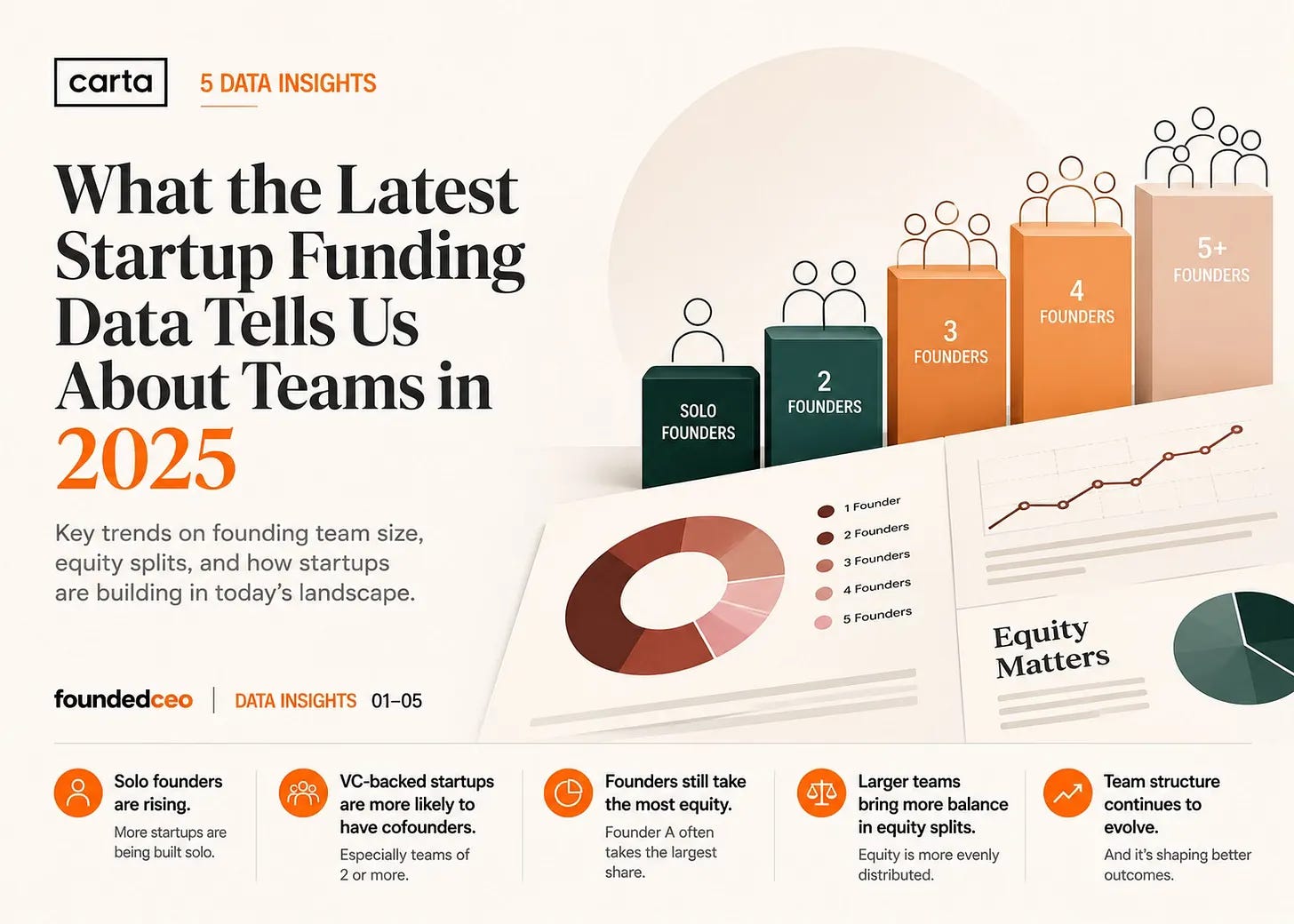
So companies started downsizing, and at the same time more individuals, tech or non-tech are able to build and sell their own product. Solopreneurs now include people running real software businesses on their own. More than a third of new startups on Carta in 2025 had a single founder.
Dario Amodei, the CEO of Anthropic, said last year that the first one-person billion-dollar company could appear in 2026. Whether it happens this year or not, I don’t think organizations have ever been disrupted like this. One person can in theory now do what used to take a department.
It costs less to get to market
Because of AI, building a product and getting it to market takes far fewer resources than it did even two years ago. The tools are cheap, the team is small and you can test an idea before you need to spend more than a Claude subscription. A founder doesn’t need to raise a big round just to find out if there’s product market fit.
I’ve also noticed the change of type of founders I meet. Many base in Chiang Mai are more intentional with their products, and their visions are less associated with how many millions can be made.
Some of that is a choice. Some of it is just that when you don’t need VC money to start, so you don’t have to promise anyone a unicorn. These founders also stay longer and care more about who else is in the coworking space.
Less reason to be in a startup hub
If you don’t need big money, you also have less reason to be close to it. Startup capitals like Silicon Valley, Singapore and London, where the VCs concentrate, used to pull founders and builders in for the investors, the offices and the talent. That pull is weaker when your team is you and a few AI tools.
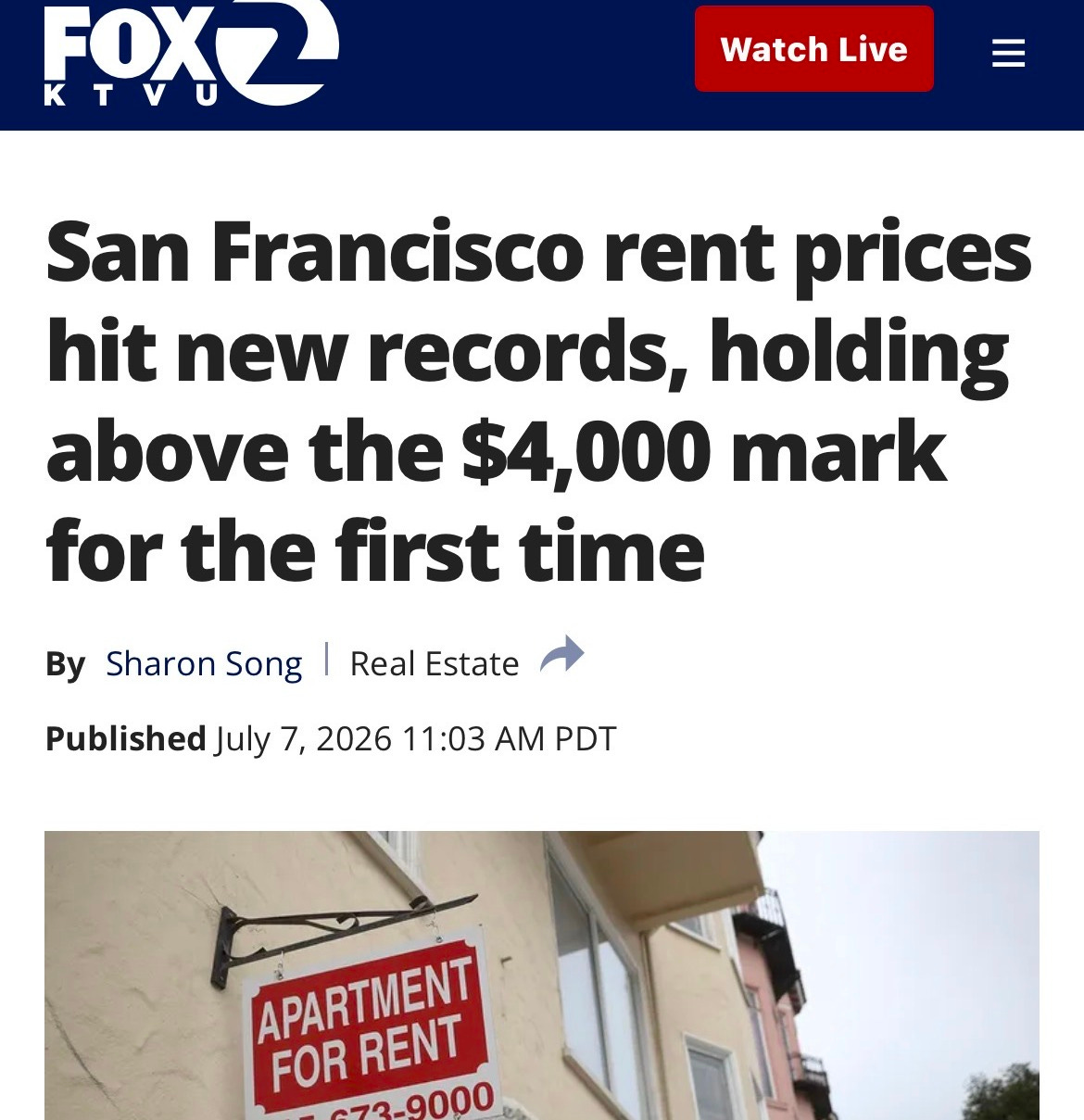
Startup capitals are also where the burn rate is highest. A one-bedroom in San Francisco hit USD4,060 a month in June 2026, up about 22% in a year, largely because of AI hiring. When you’re bootstrapping, every month of runway counts, and bootstrapping is just easier in a secondary city.
That could be Sacramento or Reno for someone leaving the Bay Area, Bristol or Brighton for someone leaving London, or Penang or Chiang Mai for someone leaving Singapore. The cities that benefit most will be well connected with good enough infrastructure. A short trip back to the hub for the meetings that matter can be easily done within a few hours and cost less than a couple hundred dollars.
The opportunity in community-centric business
You can already see where that need goes. Fringe, a cafe near Alt_PingRiver, runs a coffee rave party every other week, and it’s packed with young people, both locals and internationals. The paddel courts, wellness centers around town are popping up left and right every few months in Chiang Mai.
More and more tech communities create pop-up cities for their own tribes, a few weeks or months where people live, work and build in the same place. Zuzalu in Montenegro started a wave in 2023, and others followed. When Edge City came to Chiang Mai in 2024, we hosted around 700 using Alt_PingRiver for the whole month. These are people who can work from anywhere, and they pay to be in the same place at the same time.
A cafe, a sports court, a meetup, a maker space, a coliving house. What they have in common is that they get strangers into the same room and give them a reason to come back. The more of our work moves onto screens and into AI tools, the more people will pay for that.
This is where I think the opportunity is for the next few years. The AI boom means more people work by themselves, and when you spend most days alone with a laptop and conversations are limited to an LLM that’s programed to please you, loneliness becomes a real problem.
Most solo founders don’t see it coming. What they end up looking for is a sense of belonging, and that’s what community builders, community entrepreneurs and community businesses give them. Most cities don’t have nearly enough of them. These businesses can start on very little money, with someone who knows how to bring people together and keeps doing it week after week.
For operators, there are a few ways in:
Coliving and coworking operators can become the home base for community builders.
Boutique hotels have lobbies, rooftops and courtyards that sit empty for much of the day. That’s the kind of space a coffee rave or a meetup needs.
Retreat designers and experience curators can build programs for solo founders who want structure and peers around them for a month or two. A small pop-up city is one version of that.
Destination teams can back the people already doing this on the ground, the meetup hosts, the maker spaces, the event organizers.
The established nomad hubs can do this too. Bali, Da Nang, Bansko and Madeira already have the people and the flights. The next step for them is the cafes, clubs, maker spaces and pop-ups that give a solo founder a reason to stay for a season.
My not so bold predictions
More of the people who move around to work will be building their own products.
One-person companies will stop being a novelty, and some of them will make a lot of money.
More founders will bootstrap from secondary cities and fly to the startup hubs only when they need to.
More founders will measure success by the life their product pays for.
Tech communities will keep creating pop-up cities, and more of them will land in places like Chiang Mai.
Community-centric businesses will be some of the most interesting businesses to start in a secondary city or a nomad hub.
Good community builders will be in demand, and hard to find.
Keep a closer look at who is booking your rooms this year and what they’re working on. My guess is it has changed more than most of us have noticed.
John Ho runs Alt_PingRiver, a coliving and coworking space in Chiang Mai, and leads the Nomad Friendly District initiative. The Extended Stay covers emerging trends in community-powered hospitality for operators and ecosystem builders.
Read the original on Substack →