The Top-Down Nomad Bet in Borneo
John Ho · Thu Jun 25 2026
I’d never heard of Kuching until earlier this year. Eric Lee, founder of Diffusion mentioned it when he invited me to speak at the “anti-conference” he runs, which is the capital of Sarawak, the larger of Malaysia’s two states on the island. I had to look it up and it’s a long way from the places that show up on a nomad’s bucket list.
Just yesterday, I was sitting on a panel in “Cat City” (What Kuching means in native language) and people have flown in from different continents to be curious about it.
The coworking spaces are there. The visa is there. The agencies are there. What isn’t there is the nomads.
Kuching sits at #538 on nomads.com. The closest thing to a local scene is a Facebook group called Kuching Digital Nomads, which has had four posts in the last month from the same person. There’s barely any nomad activity on the ground.
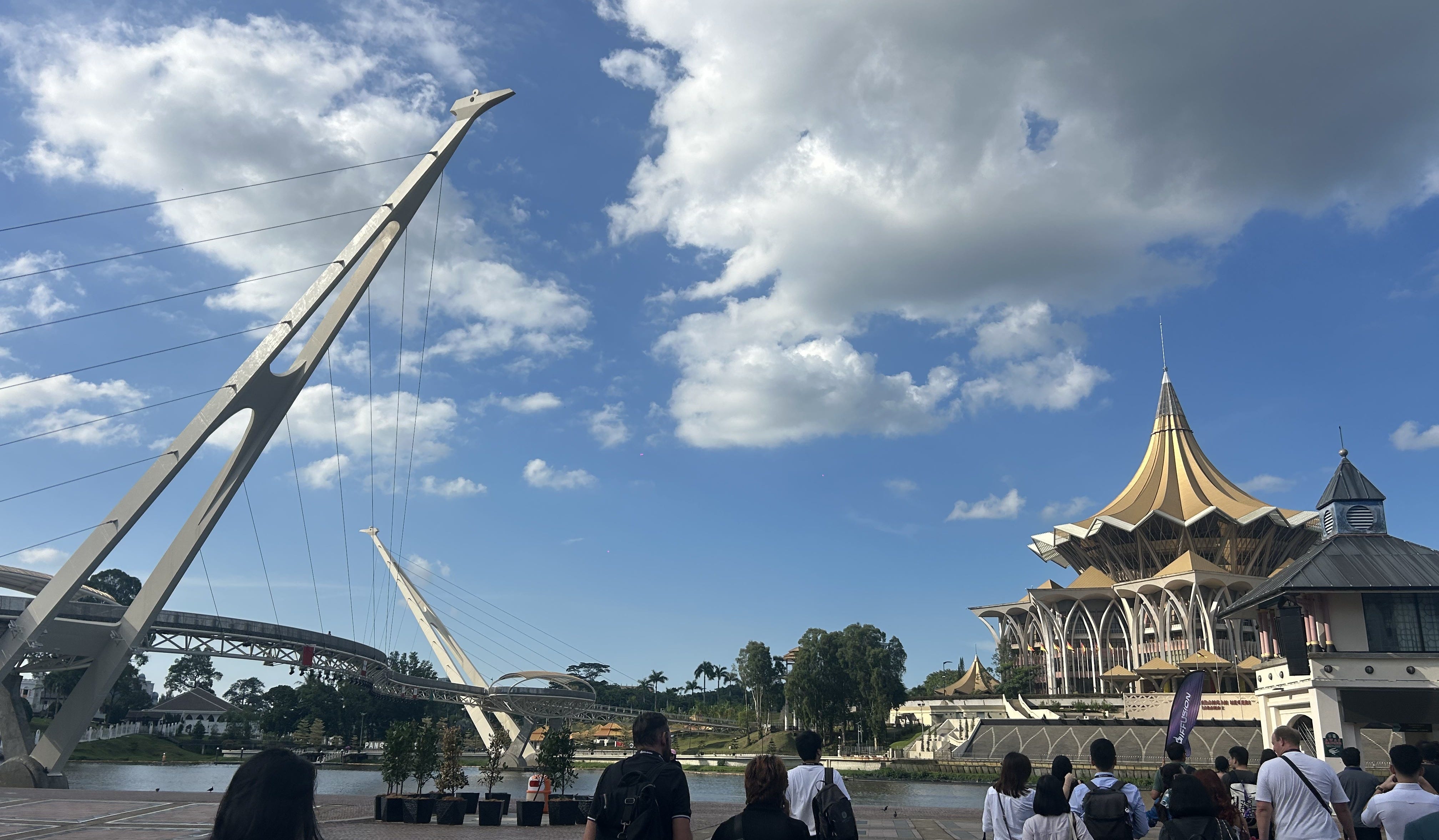
A place can build almost everything a nomad needs before a single nomad turns up is what Sarawak is doing, on purpose, from the top down. Whether it works is the question worth watching.
A City Designated for People Who Haven’t Shown Up
Kuching is small. You can drive from one end to the other in under twenty minutes. The people are warm and proud of Sarawak in a way I didn’t expect. I was in Penang last year, also for one of Eric’s conferences and a few of my nomad friends occasionally stop by. Penang feels corporate to me, more industrial with great food.
Kuching felt different: Open, curious, happy to talk. The local rice wine, Tuak, is very good too.
The bones of a digital-work destination are already in place - Accessibility, workspace, lodging supply, and public agencies whose actual job is to bring remote workers in. There are even a couple “bridges” that seem to understand nomads quite well. But there’s barely any international community on the ground to plug into. As of right now the ecosystem is mostly servicing Malaysians.
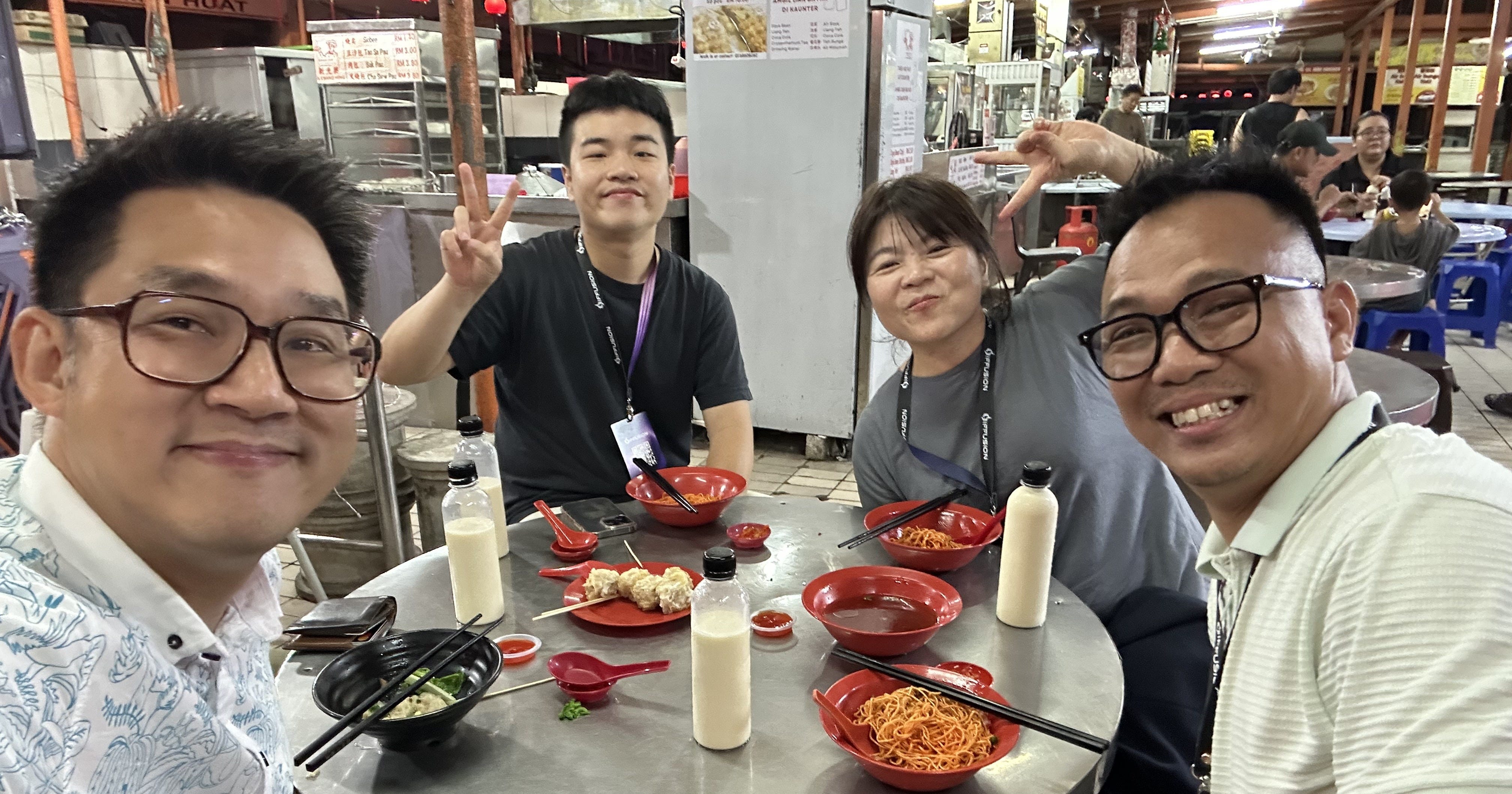
The Pass That Tells You Exactly Who They Want
The clearest signal of intent is the visa. The De Rantau Sarawak Pass is a twelve-month professional visit pass, renewable for another twelve, but you need to earn at least 24,000 US dollars a year to qualify.
You can bring dependents. It’s valid in Sarawak and across Peninsular Malaysia, and it costs RM2,000 (~USD480) to apply. As of early May, they’d had 277 applications and onboarded 38 people.
Thirty-eight is a small number, and they know it. Kamilia Fasiha Abdul Aziz, who heads the Digital Residency Unit at SDEC (Sarawak Digital Economy Corporation Berhad), the state’s digital agency, was clear that the selectivity is the point and just as clear there’s a lot of work ahead. She’s humble, switched on and we had a long chat about Sarawak’s goals and challenges.
Compare Kuching to Bali, Da Nang, or Chiang Mai, where the door is effectively open to anyone with a laptop and a flight. Sarawak isn’t playing that game.
That choice shapes the whole demographic. When you screen for income, intention, and the willingness to bring your family, you don’t get the weekend crowd. You get (or hope to get) builders, green-tech people, nomad families who actually buy into the place. For an operator, that’s a very different guest than the one passing through for a month before chasing the next cheap visa.
Still, I’d question whether screening is the signal the state would want to lead with. If a DMO wants nomads to come, a $24,000-dollar entry barrier and an application fee tell them they’re being vetted before they’ve even seen the place with very little incentives. There’s probably a better way. Sarawak’s tourism board already knows how to get people through the door, and pairing the residency push with the tourism funnel could build a warmer pipeline than a visa form does. I’m also hoping the agencies are talking to operators on the ground. My guess is the handful of people running stays and spaces in Kuching have a sharper read on who actually turns up, and why, than any application portal will.
The Accident That Built Chiang Mai
Chiang Mai was never planned. It grew from the ground up, one cafe and one Facebook group at a time, and the institutions showed up years after the community did. Sarawak is running the opposite play. The state moved first. They openly model the residency program on Estonia’s e-Residency. The strategy came before the people.
And this approach only just started, so nobody knows whether it will work or not. You can build the visa, the housing, the workspace, and the conferences, and still not get a living community out of it.
Community is the one thing that resists being ordered into existence. But you can build the conditions and find out, and that’s more than most destinations bother to do.
Why a Conference Is a Good Front Door
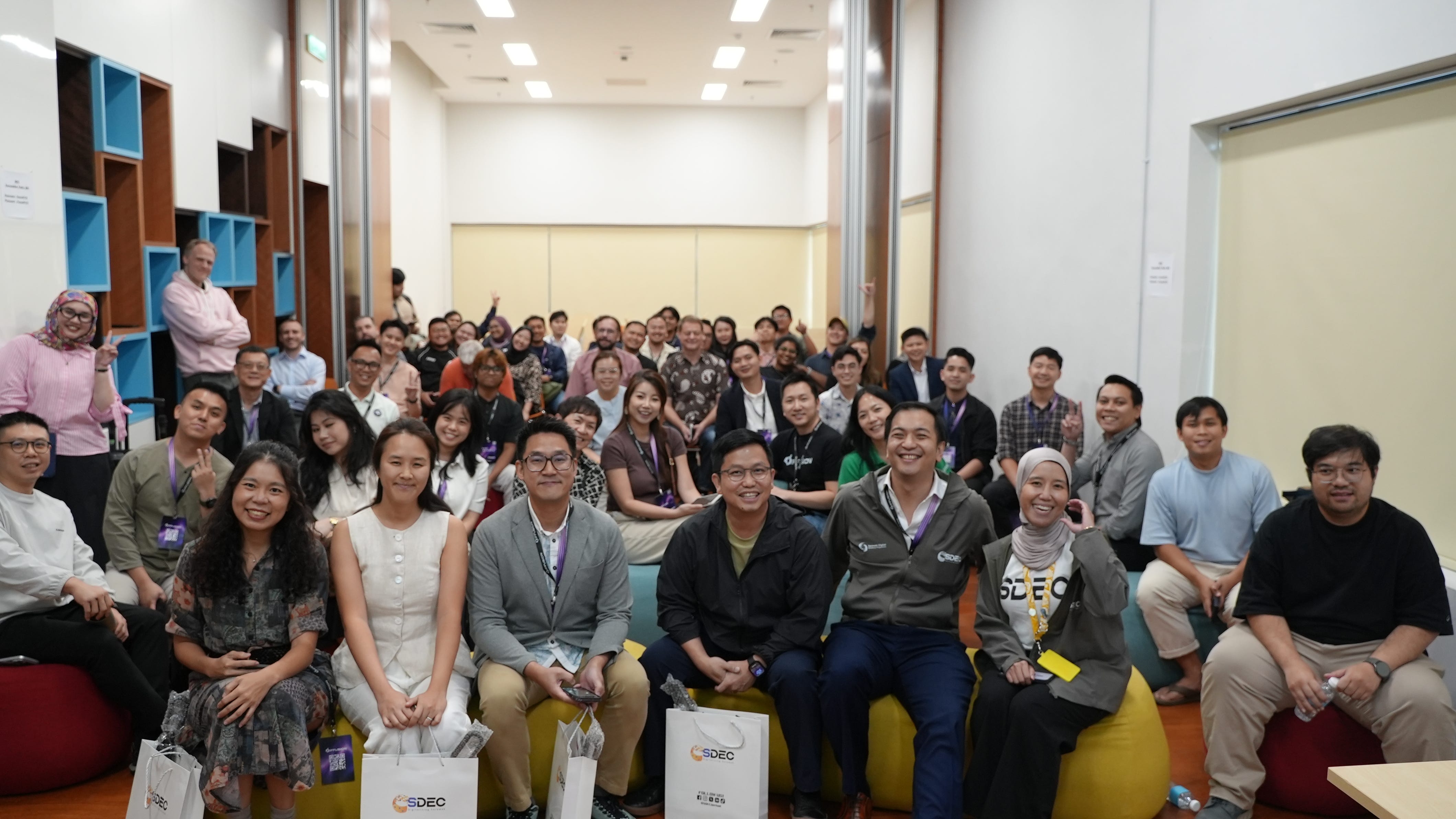
Diffusion is doing useful work there. A event like that pulls operators, VCs, founders, and community builders into a place and gives them a reason to look closely before they commit anything. I came for a panel and left with a map of the city in my head and a list of people to follow up with.
That’s the point of these gatherings in an early market.
If you operate and you’re sniffing out where to plant next, these conferences are where you read a place before you commit to a lease. It’s not the same as having a community. But it’s how the first ones find you.
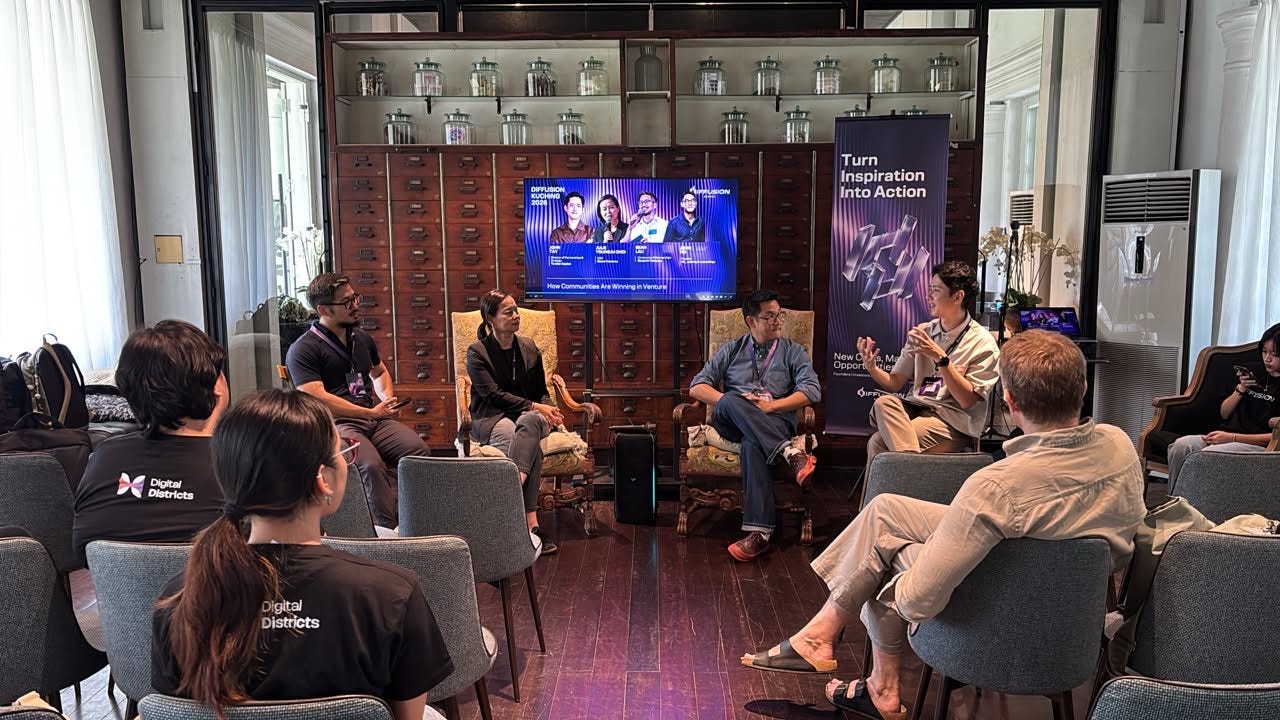
“Don’t Copy Chiang Mai”
On the panel, the moderator asked what Kuching should learn from Chiang Mai’s success.
I said don’t copy it. We’re too different, and the things that made Chiang Mai work can’t be lifted and dropped somewhere else. There was no playbook. Chiang Mai should be a reference point rather than a template.
Different places want nomads for different reasons, and that changes the strategy and activities. Japan splashes money and lets the private sector pull remote workers in to fight a population problem. Sarawak is trying to build its own hub from scratch. The motive sets the model. So in my opinion, the real work for Kuching isn’t imitation. It’s finding the one thing it has that nobody else does, and the Rainforest World Music Festival is a good candidate. It draws more than 20,000 people from around the world every year, and most nomads have no idea Kuching is where it happens.
The bigger draw might be the forest itself. Sarawak sits on more than 7.6 million hectares of rainforest, over 60 percent of the state, among the last great tropical forest strongholds left on earth. That won’t pull the normal coworking crowd. But the nomads who care about conservation, and the adventurous ones who want something authentic over something convenient, those could be the target audience. That’s a demographic worth building for, and it’s nothing like the one Chiang Mai attracts.
What This Means for the Rest of Us
I was only there for three days, so take this as an impression and not a verdict. I left with more questions than answers. But the wider point holds. The field of places competing for remote workers is getting wider, and it’s no longer just the cheap, warm, well-worn spots. New entrants are willing to build the whole stack before the demand shows up, and to be picky about who they let in.
That’s good for everyone running spaces and communities. It means the market is maturing past the backpacker-with-wifi era and toward guests with intention and staying power. Kuching may or may not pull it off. Either way, watching a destination try to build community on purpose tells you a lot about where this whole thing is heading.
John Ho runs Alt_ChiangMai & Alt_PingRiver, two coliving and coworking spaces in Chiang Mai, and leads the Nomad Friendly District initiative. The Extended Stay covers emerging trends in community-powered hospitality for operators and ecosystem builders.