The Best Digital Nomad Visa Was Never Going to Stay This Easy
John Ho · Thu Sep 03 2026
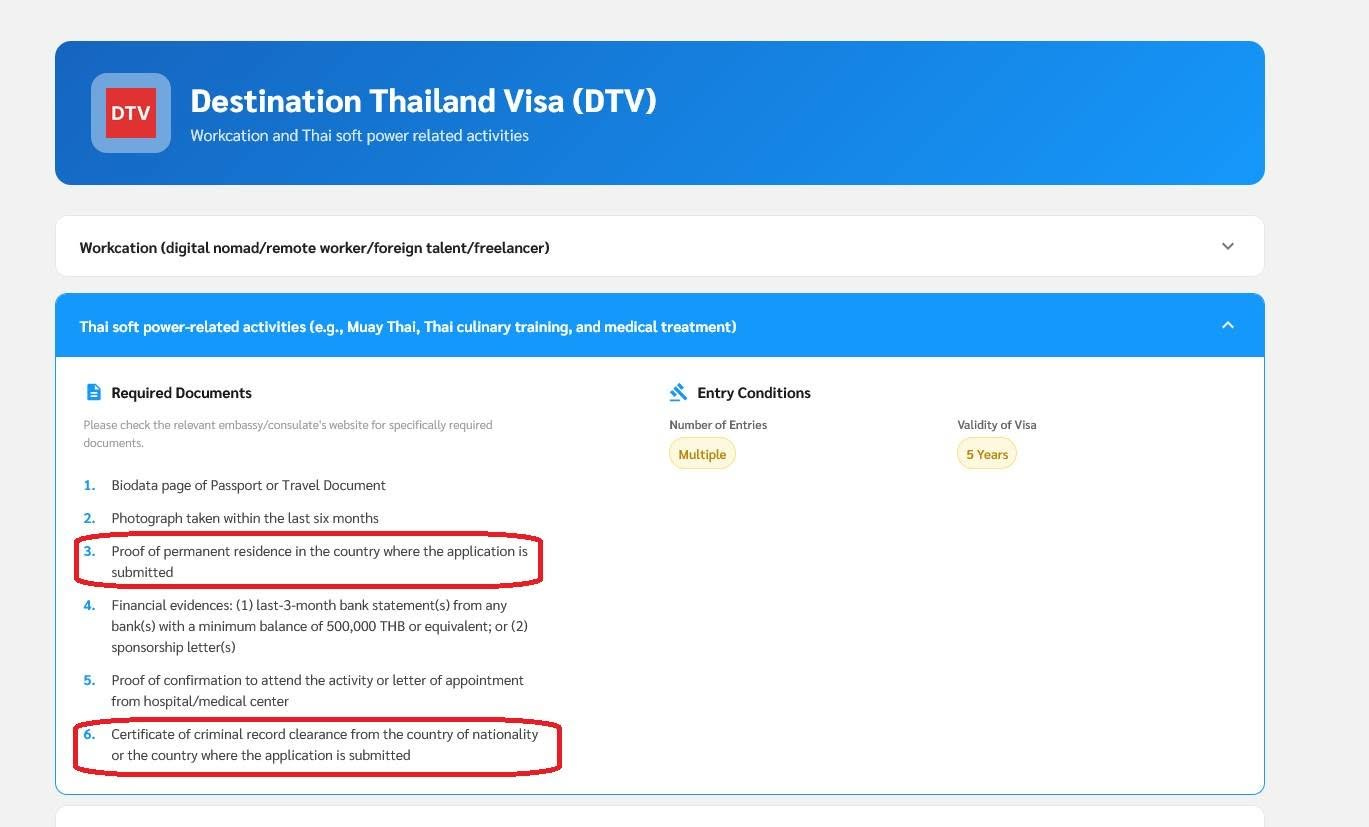
Two new requirements have been added on the DTV (Destination Thailand Visa) application page of the Thai eVisa portal on August 31:
Proof of permanent residence in the country where you submit the application.
A certificate of criminal record clearance.
For most applicants that means flying home to apply, and the reaction in the nomad chat groups was immediate.
Disgruntled keyboard warriors typing long threads about Thailand not knowing what it wants and making their life difficult. Some announcing they are taking their money to Vietnam etc.
I can understand the frustration. And many of my friends here in Chiang Mai hold a DTV. In fact I have a friend currently waiting in Da Nang, Vietnam to get notified whether his application is approved or he should book a ticket to re-apply in USA.
But I also talk to people on the other side - My Thai government contacts explain to me how the visa gets administered and what the last two years have looked like from their point of view. That perspective almost never makes it into the threads, so this is my attempt to shed light on it.
The best visa in Asia
The DTV launched in July 2024. There is no official figure for how many have been issued, but tens of thousands is a conservative guess.
It was easy to see why:
Visa application cost 10,000THB (~300USD)
Proof of 500,000 baht (~15K USD) in bank savings
Five years of validity, 180 days per entry (with one 180-day extension option)
No degree requirement, no education certificates, no Thai employer sponsoring you, no in-person interview in most cases
It’s easy to understand why someone who just spent 650,000 baht purchasing a 5-year Elite visa gets upset about the DTV. The practical difference between the two, for someone who just wants to live here and work for clients abroad, came down to airport fast track and a limousine driver taking you back to your Thai home.
For many nomads and remote workers who love Thailand and wanting to stay long term, the DTV was a dream godsend. People didn’t have to think about border runs every 30-90 days. Many signed year leases, gym memberships and bought furniture for their condos.
Behind the scenes
Here is the part nobody sees:
The DTV was created by the Ministry of Foreign Affairs. But it is applied for and issued by Thai embassies and consulates scattered across dozens of countries around the world, each with their own staffing and their own local conditions. And when the foreigners arrive to the Kingdom, it is enforced at the border by Immigration, which reports to Royal Thai Police.
Three government bodies for one seemingly straight forward policy (and let’s skip discuss of taxation for now). Thailand being Thailand, coordination across systems like that is never smooth. The push back from the Thai gov side I heard a year back was many felt the bar was set too low from the start. Not that the DTV was a bad idea, but that the qualifying threshold let in far more applicants than they anticipated. It was also stipulated as an desperate act to stimulate tourism economy post-covid.
So when a policy is owned by three agencies, the correction tends to come from whichever one is under the most strain, and again, Thailand being Thailand, the update arrives without much warning.
The consulates closest took the hit
My guess is, the strain showed up first in the places closest to Thailand: Vietnam, Malaysia, Cambodia Laos etc.
People hear “e-visa” and assume a machine is doing the work. The fact is, someone still has to open a three-month bank statement document and decide whether it looks real, or reading an employment letter from a company they have never heard of, in a country they have never worked in, and form a judgment. The human labour is the bottle neck and there probably weren’t increase in officers hiring just because a new visa was launched.
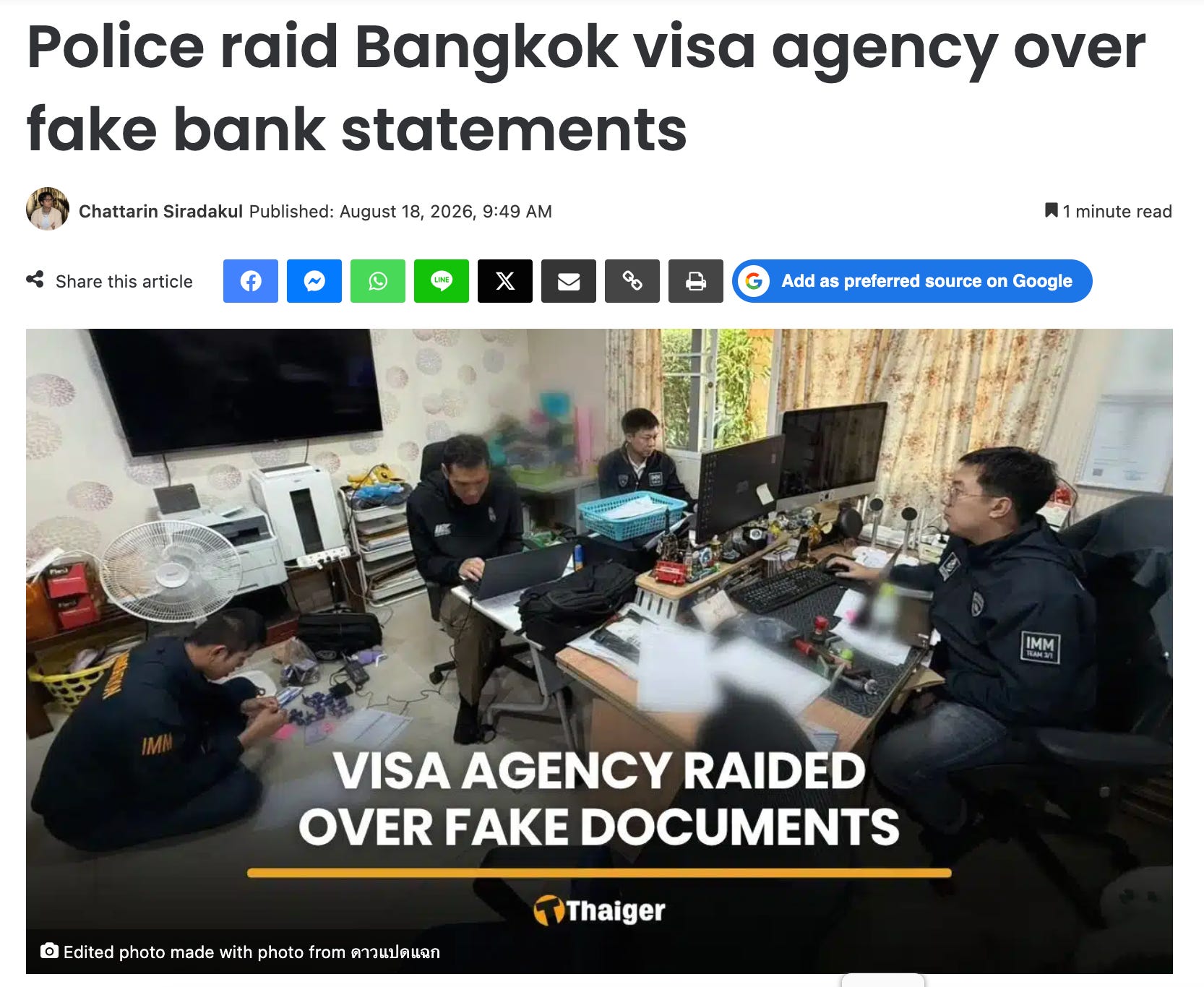
Then came the bad apples, and of course nobody will admit this in public.
Photoshopped bank statements, fabricated employment letters and client contracts by Canva. Fake reference letters produced by “visa agents” selling service is probably another the reason why Thailand had to do the tightening.
So hopefully now the new rule look less arbitrary. When people can only apply where you are a citizen or a permanent resident, the volume redistributes across the whole world instead of piling into a few consulates within a two-hour flight of Bangkok. Inconvenience for applicants? Sure. Better work-life for the consulate staff? Also true.
Criminals taking advantage of the system
There is also the security aspect.
Across the border in Myanmar and Cambodia, the world’s largest online scam operations are still active despite heavy crackdowns. KK Park and Shwe Kokko are the names that make the news and thousands are still scattered across the boarder of Thailand.
Thailand is the known transit country for most of that traffic. Criminals fly into Bangkok or Chiangmai and travel overland. A five-year multiple-entry visa with light document verification is a useful option for anyone with that intention, and again my guess is there have been enough reported cases of DTV holders turning up in the wrong stories that the connection is now on the record.
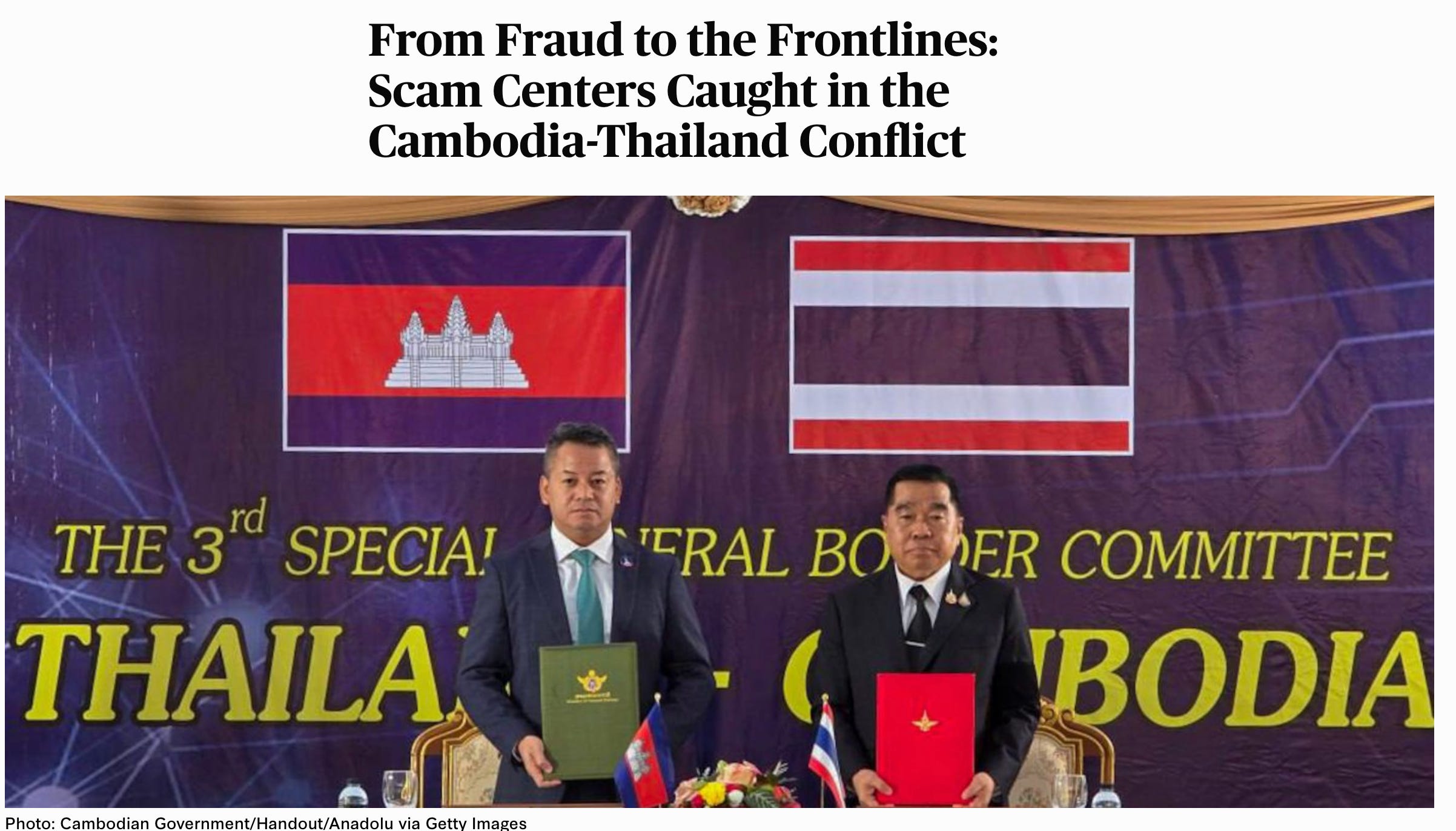
It makes sense for Thailand asking for criminal record check as a preventative measure when the reputation cost of one bad case outweighs the friction it imposes on thousands of legitimate applicants. Unfortunately, it’s just expensive for the rest of us.
Why the reaction reads the way it does
When you put those factors together, the tightening of policy is easier to understand. Volume beyond capacity, verification that couldn’t hold, a small number of bad actors, and a security story attached to the country’s border. If I were the systems control person in charge, I would have done the same.
But of course, most tend to criticize from self-interest in mind. What a nomad see is the remote work plan for the next two years disrupted and an extra plane ticket that wasn’t budgeted for. What the officer sees is a long queue, a stack of documents they can’t verify, and a directive from an agency that isn’t theirs. Neither side is wrong. They just have never have dialogues with each other, and the comment threads are where that gap shows.
If we can be more empathetic, whoever created this visa aren’t a faceless bureaucracy that woke up hostile to remote workers. They designed something unusually generous, watched it get exploited at a scale and in ways they didn’t plan for, and pivoted. That is what a functioning government does.
Still worth it
To my nomad friends: the DTV is still the best option for remote workers to stay in Thailand for up to 180 days. That hasn’t changed. It had to be harder because too many people walked through it carrying documents that didn’t hold up. Some of those people were in our groups. Going home to apply is annoying but it is still a small price to pay for a country that is giving five years at ten thousand baht while most countries are asking for way more to prove worthiness.
Thailand is lovely, and many want to be here longer than a visa exemption allows. But let’s be honest with each other about how easy a visa should be, because the same policy that made it easy for us also made it easy for people who shouldn’t be here. Two years was a good run.
John Ho runs Alt_PingRiver, a coliving and coworking space in Chiang Mai, and leads the Nomad Friendly District initiative. The Extended Stay covers emerging trends in community-powered hospitality for operators and ecosystem builders.