Solo travel is getting too big to be treated as a niche
John Ho · Fri Aug 21 2026
The numbers are getting hard to ignore.
Grand View Research estimates the global solo travel market was worth roughly $550 billion in 2025, and projects it to exceed $1.6 trillion by 2033. Hilton’s 2026 trends research found that 26% of travelers plan to travel alone in 2026.
There’s also a broader demographic shift happening underneath the travel numbers. Across 30 OECD countries, the proportion of people living in one-person households increased from 15% in 2010 to 19% in 2022. And this isn’t simply an ageing phenomenon. OECD data shows increases in living alone across different age groups.
In other words, the assumption that a traveler naturally comes as part of a couple or family is becoming less meaningful and we need to start looking at the phenomenon differently.
Time to think about solo travelers differently
After watching hundreds of people come through Alt_ colivings, I’m convinced that “solo” tells you very little about what a resident actually needs.
Consider a few types of the people who might arrive at your hotel alone.
1. The “I just need to get away” traveler
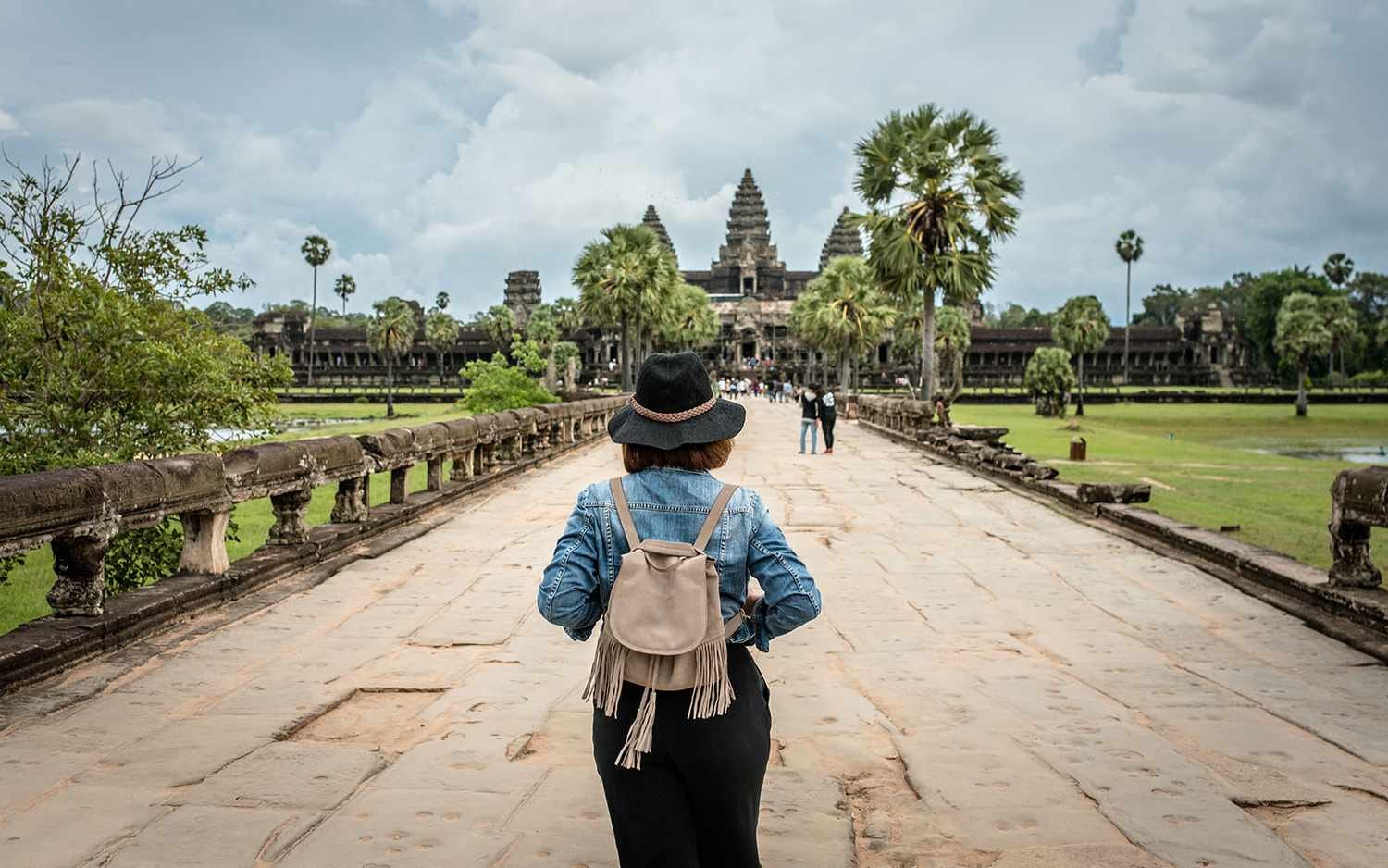
They’ve had enough. Maybe it’s work or it’s a relationship. Maybe it’s simply years of being responsible for everybody else.
The “I just need to get away” traveler isn’t necessarily looking for adventure. They’re looking for space. They want a comfortable room, but they also want to feel that they don’t have to make decisions for anybody else.
For this traveler, the product might be quiet mornings, wellness, nature, comfort food and the ability to participate in something without having to commit to a group.
The opportunity is recovery.
2. The newly single traveler
The divorced, separated, empty nesters, widowers.
Their relationship status has changed, and sometimes their identity has changed with it. Travel can become a way of figuring out what life looks like next.
For this traveler, the worst possible product might actually be a beautiful room in an empty hotel. Privacy matters, but so does having somewhere to go downstairs. Someone to talk to and a reason to join dinner. A group activity where nobody asks, “Where’s your husband?”
3. The burnout traveler

This is increasingly visible among younger travelers. They’re not necessarily going on a conventional “holiday.” They’re trying to reset.
I’ve seen people come to Chiang Mai after months or years of working intensely and arrive with almost no itinerary. They sleep, they go to the gym, they sit around and meet people and they start thinking again.
Sometimes the most valuable thing we provide isn’t an attraction or an amenity. It’s permission to slow down.
Hospitality has historically been very good at selling stimulation. Tours, attractions., restaurants, activities, experiences etc. There is an emerging opportunity in selling the opposite: a place where nothing has to happen.
4. The introvert
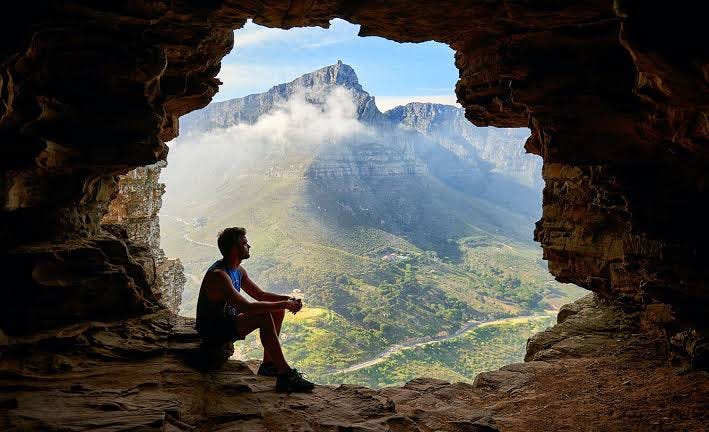
And then there’s the traveler who makes this even more complicated. Hostelworld found that 23% of its solo travelers identified as introverts, compared with 26% who identified as extroverts.
An extrovert might walk into your lobby and immediately ask: “What’s happening tonight?” An introvert might desperately want to meet someone but have absolutely no intention of walking up to a group of strangers and introducing themselves.
This is where hospitality design becomes interesting because the question isn’t “How do we make solo travelers socialize?” It’s “How do we make social connection possible without making it compulsory?”
That’s a very different design problem.
5. The business traveler

Business travel is another version of this. Someone arrives for a conference or meeting. They spend the whole day talking to people. Then they return to their hotel room.
The traditional hotel is actually very good at facilitating this isolation. The room is comfortable. The Wi-Fi works. Room service arrives and nobody bothers you.
That’s excellent if what you want is isolation. But what if the guest wants to meet somebody?
Hilton’s 2026 research points toward this broader tension: travelers increasingly want both personal space and meaningful connection.
A business traveler might want to spend Tuesday night alone and Wednesday night having dinner with six strangers. The product needs to allow both.
So why aren’t more hotels designed around this?
Because hospitality has inherited a very old unit of measurement: the room.
A room is designed around occupancy. And when there is only one person, the industry often sees an economic problem.
The single supplement is probably the clearest example. The room costs roughly the same to operate whether there are one or two people inside it, so the solo traveler gets penalized for not bringing somebody else.
But the deeper problem isn’t really the price. It’s the product architecture. A solo traveler doesn’t necessarily need less hospitality. They may need different hospitality. And that’s where I think operators have an opportunity.
Start thinking social architecture.
If I were running a conventional hotel today, I’d be asking a different set of questions.
Not “Do we have a gym?” But “What happens to someone who arrives here alone?”
Who talks to them? Where can they comfortably sit? How do they find out what’s happening tonight? Can they join something without feeling awkward? Can they eat alone without feeling like they’re sitting at the kids’ table? Can they meet other guests without having to stay in a dorm? Can our staff recognize the difference between somebody who wants conversation and somebody who wants to be left alone?
These are not expensive questions. But they require a different mindset.
(Human) Staff become part of the product
This might actually be one of the biggest opportunities. A beautifully designed hotel room is easy to copy but a well-trained team is much harder.
Imagine a receptionist who doesn’t simply say: “Welcome. Here’s your key.” But notices that someone has arrived alone and asks: “Do you know anyone from Chiang Mai to show you around?”
And, depending on the response, the staff knows what to do next. Maybe the guest wants recommendations. Maybe they want to meet people. Maybe they absolutely don’t. The same question can lead to three completely different hospitality experiences.
That requires training instead of a script. It requires awareness.
Pricing needs to catch up too
If we’re serious about solo travelers, we also need to stop treating one person as a failed two-person booking.
Single supplements make sense from a traditional hotel revenue-management perspective. But from a customer perspective, they can feel like a penalty for arriving alone.
There are other possibilities. Smaller rooms at genuinely attractive rates. Longer-stay pricing. Bundled meals. Community programming included in the rate. Roommate matching for people who actually want it. Private rooms with shared social spaces. Packages designed around the reason someone is traveling rather than simply the number of people in the room.
The question is not “How much can we charge the solo traveler?” It’s “What combination of privacy, connection and experience makes this guest want to come back?”
This is where coliving has an unfair advantage
I run coliving spaces so of course I’m biased. But after doing this for several years, I think coliving stumbled onto something that conventional hospitality is only beginning to appreciate.
The “magic” isn’t the room. It’s what happens when you walk out of it.
There’s a shared kitchen. Someone is making eggs. Someone is working downstairs. There’s a community dinner tonight. Someone has just come back from a hike.
You don’t have to participate. But there is always the possibility of participating.
Private space. Shared life. That combination seems to work remarkably well for people who have chosen to travel alone.
And perhaps that’s something conventional hospitality should make reference to. Not necessarily the coworking desks or building a communal kitchen.
The underlying principle: give people privacy without giving them isolation.
The solo traveler is not one customer
If there is one thing hospitality operators can take away from the growth of solo travel, it’s this: stop putting “solo traveler” into one box.
A 28-year-old burned-out software engineer and a 68-year-old recently widowed woman may both book a room for one. But their needs, motivations, anxieties and willingness to socialize could be completely different.
Even within the same demographic, personality matters. Some want silence. Some want adventure. Some want friendship. Some want romance. Some want to reinvent themselves. Some just want to eat noodles without negotiating where to eat. And some want all of these things at different points in the same trip.
That’s why I don’t think the answer is simply to create a Solo Traveler Package. The bigger opportunity is to build hospitality that is flexible enough to let different kinds of solo travelers design their own level of connection.
Give them a beautiful private space. Give them a reason to leave it. Give them people to meet. Give them the ability to say no. And train your staff to understand the difference.
Because perhaps the future of hospitality isn’t about making people feel less alone. Maybe it’s about giving people something much more valuable: the freedom to be alone without feeling lonely.
John Ho runs Alt_ChiangMai & Alt_PingRiver, two coliving and coworking spaces in Chiang Mai, and leads the Nomad Friendly District initiative. The Extended Stay covers emerging trends in community-powered hospitality for operators and ecosystem builders.