Europe is suffering from the heat and the Azores are sitting half-empty
Miloš Pelucha · Thu Jul 02 2026
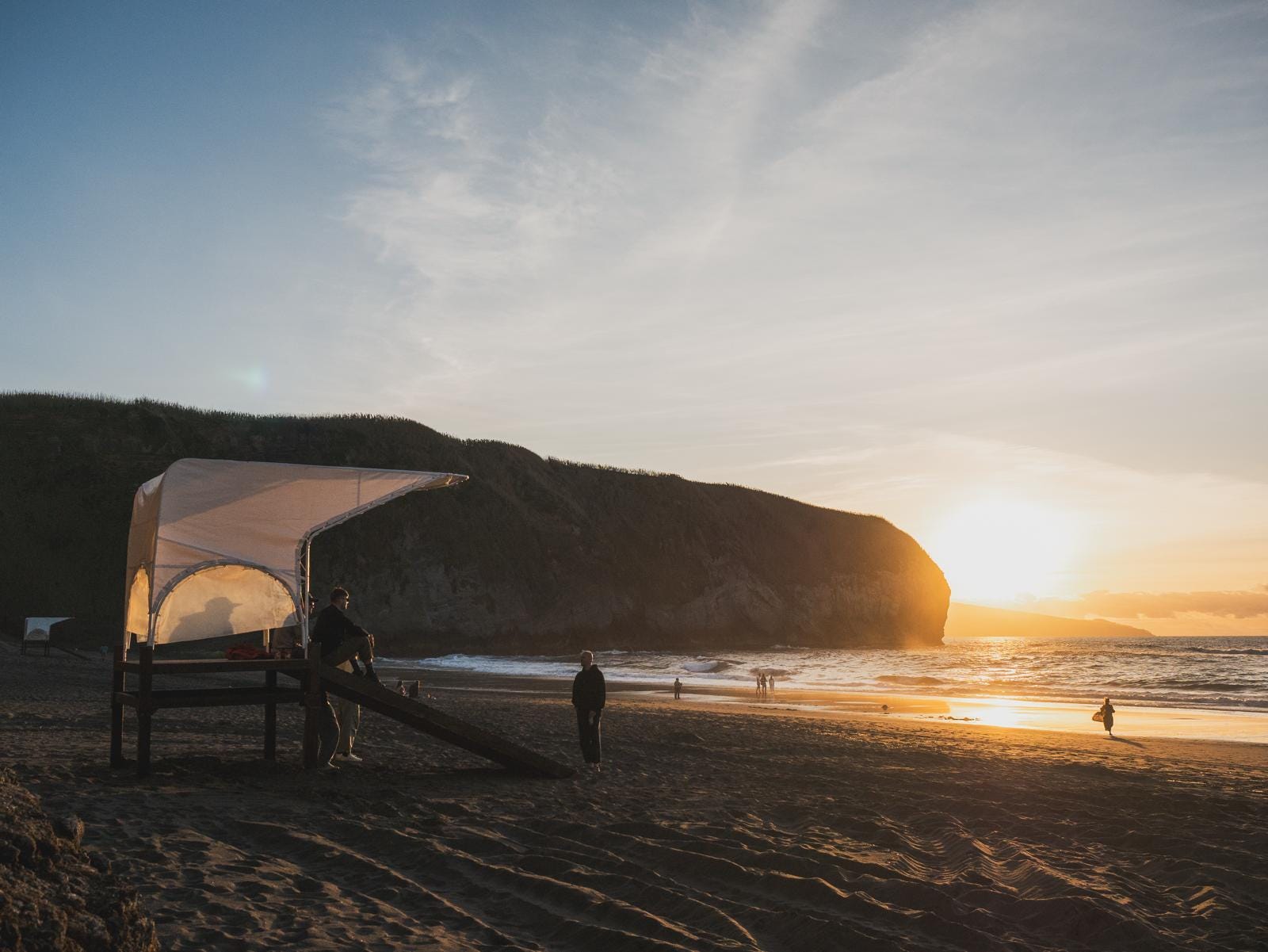
It's the last week of June, and I'm swimming in the Atlantic off São Miguel. The water is cold enough to wake you up; the air sits in the low 20s, and by mid-afternoon I'll want a jacket.
My phone tells a different story about the rest of the continent: 44.3°C in France, a new record in Germany, and more than 1,300 heat-related deaths reported across Europe in a single late-June stretch.
Same week, same continent, two different summers. And the Azores just posted its sixth straight month of falling overnight stays.
I’ve spent four of my last five summers out here in Macaronesia. I have never seen the gap between what this place delivers and what the market thinks it’s worth widen this much.
The sudden drop in visitation ties to one thing:
In March, Ryanair announced it was cancelling all six of its Azores routes from 29 March 2026, pulling roughly 400,000 seats out of the market. Its stated reason was a 35% increase in airport fees from ANA (the VINCI-owned operator), higher air traffic and travel taxes, and what it called government inaction.
Business leaders put the potential hit at up to €165 million a year, around 1.7% of regional GDP. Demand held up fine. This own goal came from the supply and policy side, booked at the exact moment the rest of Europe became too hot to sit in.
The heat is quietly reshaping “European summer”
For two decades, the Mediterranean sold one product: eurosummer. Festivals, food, life, and steady weather.
That product is turning into a liability. This June saw temperatures as much as 18°C above seasonal averages over Western Europe, with the death toll running into the thousands. That part typically gets left out of the tourism brochures.
When a destination’s defining feature starts killing its visitors, the premium it commands does not hold forever.
Being based in the Azores, I’m naturally biased, but hear me out. I think climate-moderated summer is the most underpriced positioning in European travel right now.
The Azores sit in the low 20s through July and August.
Madeira runs mild in the mid-20s.
The Canaries get properly warm, sometimes the high 20s, but nowhere in Macaronesia touches the lethal 40s of the mainland.
So why is Azores tourism dropping six months straight when the summer weather is this good?
Accessing the islands just got more difficult
For a remote archipelago, tourism lives and dies on lift.
The Ryanair exit reads like a death blow, and its impact should not be downplayed. But then you look at the other side of the Atlantic. While European low-cost capacity collapses, North American connectivity is expanding fast.
United started Newark to Ponta Delgada in May.
Air Canada launched Toronto on 11 June, three times a week.
WestJet added Toronto on 12 June, four times a week on the 737 MAX 8, putting the islands about five hours from a major North American hub.
Azores Airlines keeps its own Toronto, Boston, Montreal and New York service running on top of all of it.
All direct with a 4-5-hour flight length. There is no other European destination that provides North American visitors such proximity of travel. EST - 4h timezone also simplifies the jetlag.
Most of the media framed this as “the Azores got cut off.” The more accurate read is that the Azores lost European feeder traffic and started gaining transatlantic guests, and regional strategy has not caught up to the shift. Those transatlantic visitors come from further, which usually means longer stays and higher spend per trip. Exactly the mix an island should want.
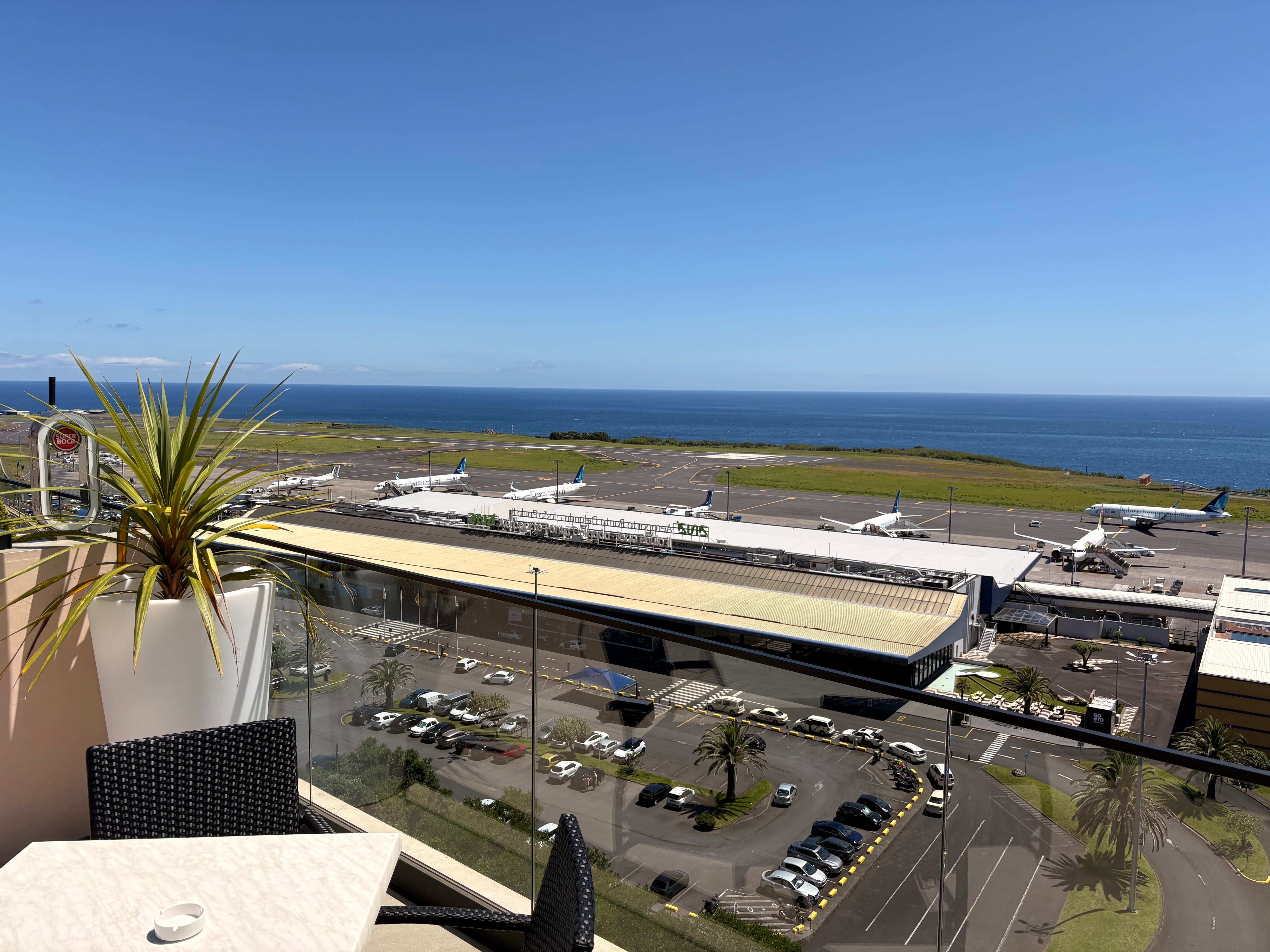
Connectivity is destiny for an island.
Just last month I found myself chatting with a buyer interested in acquiring the chronically indebted Azores Airlines. The airline belongs to SATA Holding and connects the islands to Montreal, Boston, Paris, Bermuda, Praia, Barcelona, Frankfurt and more. I enjoy flying it: relatively new planes and comfortable seats. But every single time - I’m struck by how underused the flights are. I flew the JFK to PDL route about three times in the last few months, and every single time the plane was around 20% full.
Shouldn’t these flights be full of visitors, even in shoulder season? NYC is a hard airport to fly into, since the sheer number of options makes it harder to promote any single destination. That’s also the opportunity. North American travellers have more spending power than Europeans. With that proximity, a four- to five-hour flight, and how easy the trip is to make, shouldn’t the local government, the tourism bureau and the airline be doing everything they can to grow it?
Hospitality operators on the islands might rightfully feel left out. The government has failed to find a replacement for Ryanair (talks about a new airline from 2027 are underway), and it’s also leaving revenue on the table on its own Azores Airlines routes.
How does that affect operators?
The last two months basically confirmed my thesis: São Miguel and the Azores are the best destination in Europe.
Temperatures rarely climb past 25 Celsius.
The ocean sits between 22 and 25 and stays clear enough for diving, snorkelling and spearfishing, which is rare.
Underneath it there are killer whales, sperm whales and bluefin dolphins.
The surf lineup is empty.
Nature is everywhere, and the hikes are endless. And the sunsets keep outdoing themselves, every evening somehow better than the last.
On one compact island I can swim at dawn, surf a beach break by mid-morning, spearfish in the afternoon, soak in an iron-rich thermal pool by evening, and be out whale watching before lunch the next day. Add to that the food. Soil so fertile that a Thursday farmer’s market run sets you up with veggies for the week, where a kilo of freshly caught tuna costs €8 and tastes like heaven, where the local beef, the milk, even the ice cream all taste like they’re just right.
The Azores packs more real range into a short stay than almost anywhere in Europe. That alone should be attraction enough.
As part of our small nomad community, we operate two houses and co-living spaces here, Lemon Bros and Dwell.
A normal week looks like this.
We pile into the local sunset bar to watch the football with owners who now know our guests by name.
We buy veggies together at the Thursday farmers market and carry it all back for a long lunch nobody wants to leave.
We throw events with the local spots instead of around them.
Guests come for the island and stay for the people. Length of stay stretches because the product was never really the room only.
It’s the table everyone is still sitting at after midnight. We’ve had people extend their stays by weeks, tell their friends about this place, then invite them over and show them the island themselves. Our Instagram content does the work for us.
If there is one lesson I’ve learned this past week, it’s: when community is the product, and the product is built around what the destination actually offers, retention and loyalty follow.
A destination can fumble its airports and its fee negotiations all it wants. A house full of people who would rather stay than leave is counter-cyclical to every bit of that.
The Azores is, right now, the clearest case in Europe of a destination handed a structural advantage and fumbling it.
The regional answer to all of it has been a fee fight that cost 400,000 seats and six straight months of tourism decline.
In a destination with broken top-down access, bottom-up community is the most reliable occupancy strategy you have. It doesn’t wait for anyone to fix the runway.
Miloš