Da Nang (Vietnam) Is Coming for the Nomad Middle Tier
John Ho · Thu May 14 2026
I ran along the beach at 7am and the city was already awake.
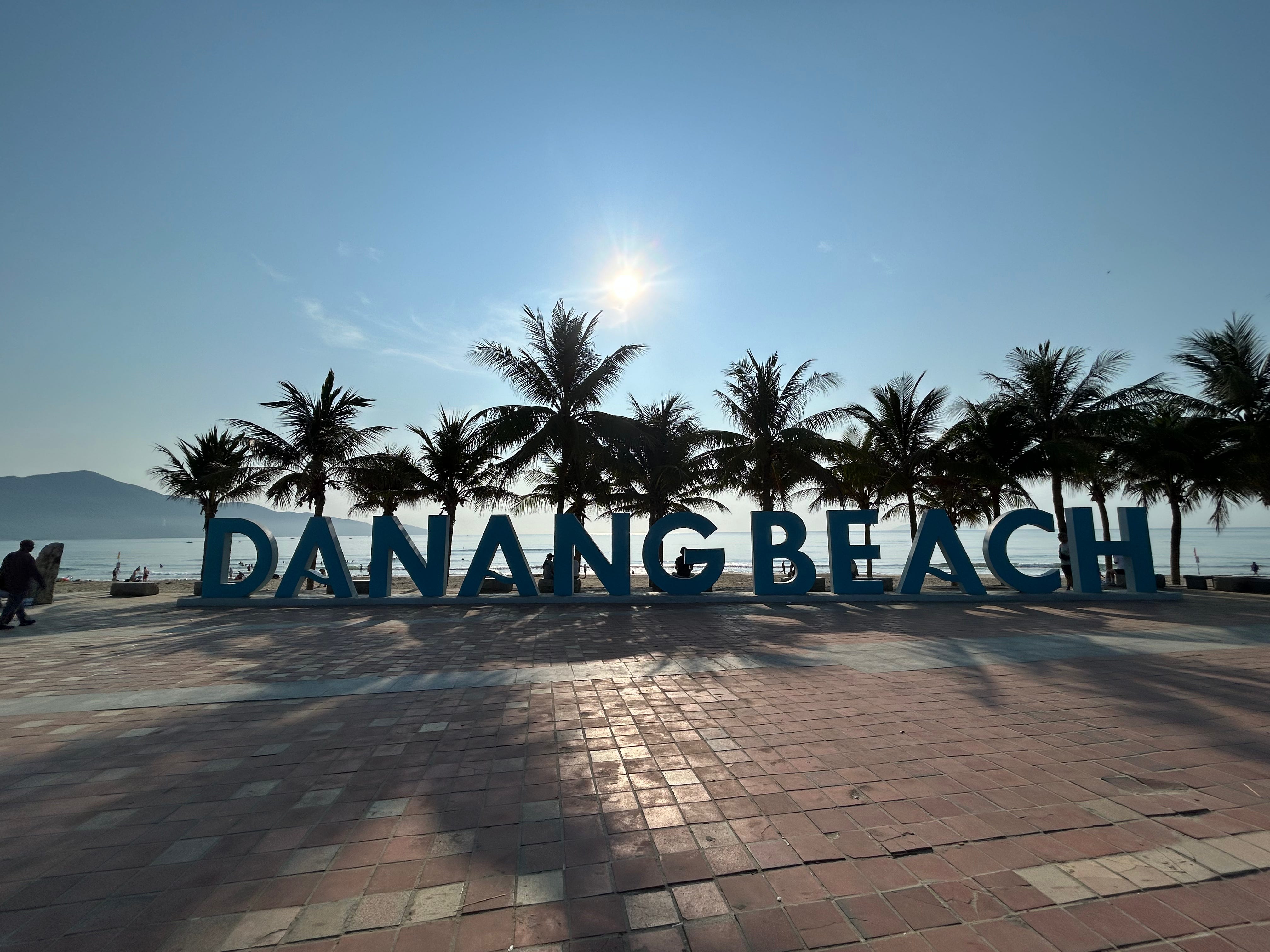
Most Southeast Asian nomad bases ease into the morning. Chiang Mai is still sleepy at 10. In Da Nang, the vendors were out, the businesses were open, the cars were already honking. The beach was filling up with locals and foreigners both. A volleyball game was going, a yoga group was stretching nearby, and a line of Vietnamese women were in full morning dance routine by the water.
I was in town for a wedding in Hoi An, invited by a close Alt_ friend, and stayed on a few extra days to finally answer a question I’d been sitting with: what is Da Nang, exactly?
Every February through May, a chunk of my Chiang Mai nomad crowd disappears south. Some go to Bali or Koh Phangan. But more and more, they come here. The Nomad Fest was in its second year, and it kept coming up in conversation enough that I started wondering what I was missing. I wanted to see what the vibe was like.
Here’s what I found: Da Nang is not a hidden gem or an emerging destination. It’s already on Asia’s nomad circuit. The question is whether operators across the region are paying attention to what it’s building.
What Da Nang Is Actually Offering
The consensus among everyone I spoke to was the same three things. Cheap. Easy to get around. The beach.
A one-bedroom near the beach runs $300 to $500 a month. Vietnamese coffee is around a dollar. A western breakfast will cost you $4 to $5. An in-city Grab ride is $2 to $3. For a nomad spending February through May somewhere with a beach, that math is hard to argue with.
By 2024, Da Nang was seeing 4.1 million foreign visitors a year, already 28% above its pre-pandemic peak. Chiang Mai, in the same period, was still at 58% of its 2019 numbers. One city is ahead of where it was before COVID. The other is still catching up.
Vietnam’s workforce median age is 32.5 years. Thailand’s is closer to 40. The people running cafes, guesthouses, and small hospitality businesses are young and eager to please. They may lack the polish that comes with a more established market, but they compensate with effort.
The visa situation matters more than most people give it credit for. Most European nationals can enter Vietnam visa-free for 45 days, with no limit on re-entries. For longer stays, a 90-day e-visa is available online. Compare that to nomads landing in Thailand on a DTV, where questions at the point of entry have become more common and, by some accounts, more uncomfortable. For someone planning a multi-month stay, straightforward is worth a lot.
The Infrastructure Is Early, But Intentional
Dimitri and Marco, two Greeks who co-founded the Da Nang Nomad Fest, are the clearest signal of where this city is heading. Both are spending almost nine months a year on the ground, building relationships with local government, running regular community meetups, and growing a WhatsApp community that’s already crossed a thousand members. Now in its second year, the Fest has sponsors, speakers, and a regional draw. These are people who saw the upside early and decided to go all in.
Hub Hoi An, 45 minutes down the road, is probably the only community-powered coworking space in this corridor right now, with accommodation available for those who want to stay on. It’s where many of my Alt_Fam who pass through end up getting their work done. Hoi An and Da Nang are functionally one destination, beach city and historic town on the same trip, and the Hub is built for that overlap.
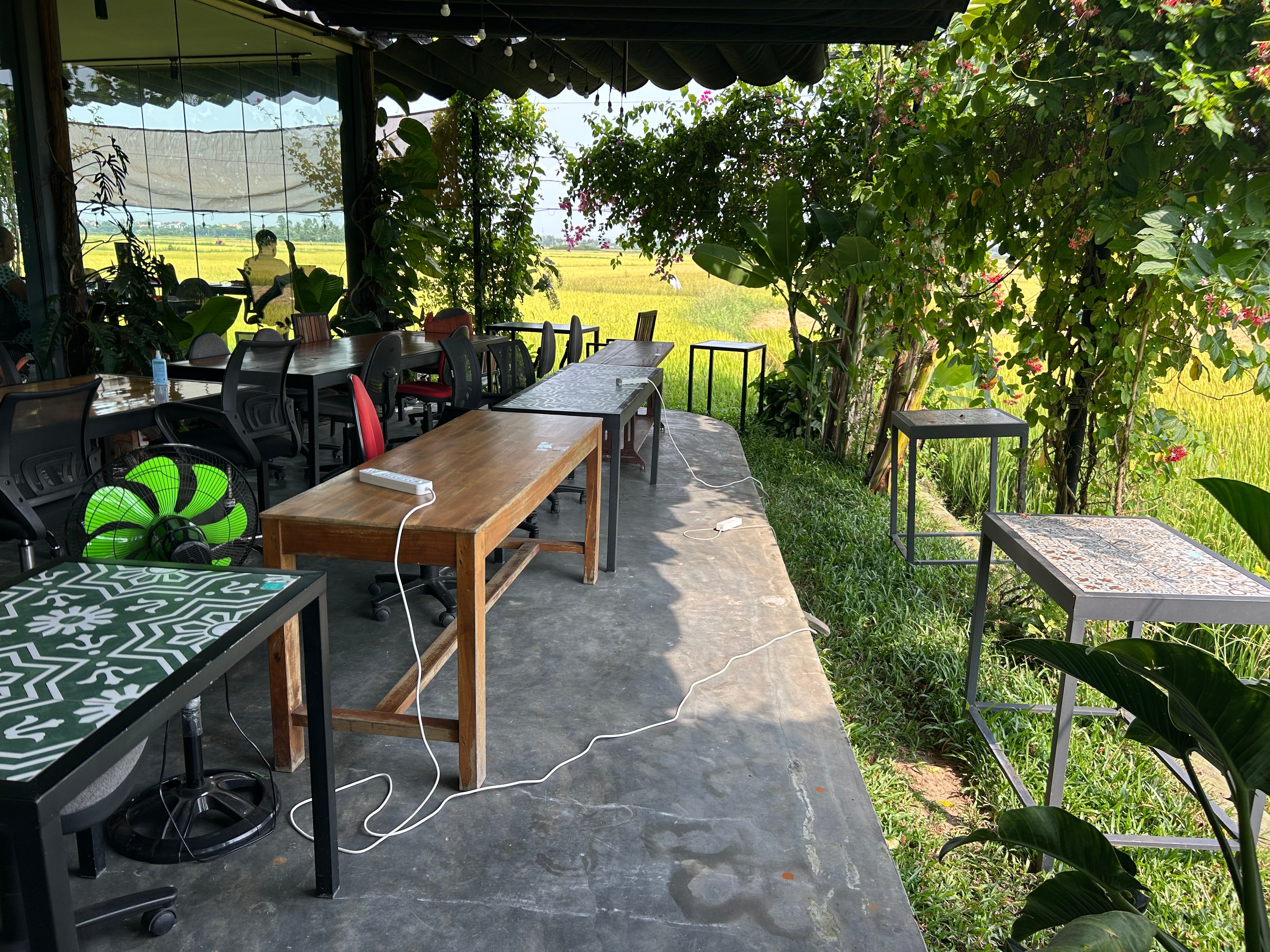
Dimitri and Marco are laying the foundation. But outside of them and Hub Hoi An, it’s thin. What’s missing is the anchor product: the one place you land and feel like you’re in a real scene, not still assembling one.
Many lodging places are quietly flexible on monthly rates. Standards and pricing vary more than most nomads would like, but the flexibility is real. Someone willing to do a bit of legwork can put together a decent setup for the month.
For operators thinking about building here, the business environment is more foreigner-friendly than Thailand’s. Thailand’s Foreign Business Act requires Thai nationals to hold at least 51% of shares in most business categories, capping foreign ownership at 49%. Vietnam offers a more direct path to full foreign ownership in several sectors. And Thailand has cycled through enough governments and constitutions since 2000 to make any five-year plan feel optimistic. That kind of policy unpredictability matters when you’re committing capital to a market.
What’s Still Missing
Da Nang is not there yet. (Whew.)
Walk the main strips and the pattern is obvious: massage shop, cafe, massage shop, cafe, all looking more or less the same. The commercial texture that makes a city feel worth living in rather than just visiting hasn’t developed yet.
Coworking spaces are mostly built for local companies, not nomads. The community layer that makes you want to show up daily is still missing.
Right now Da Nang feels more like a place you pass through than a place you settle into. That’s the gap. It’s also the opportunity.
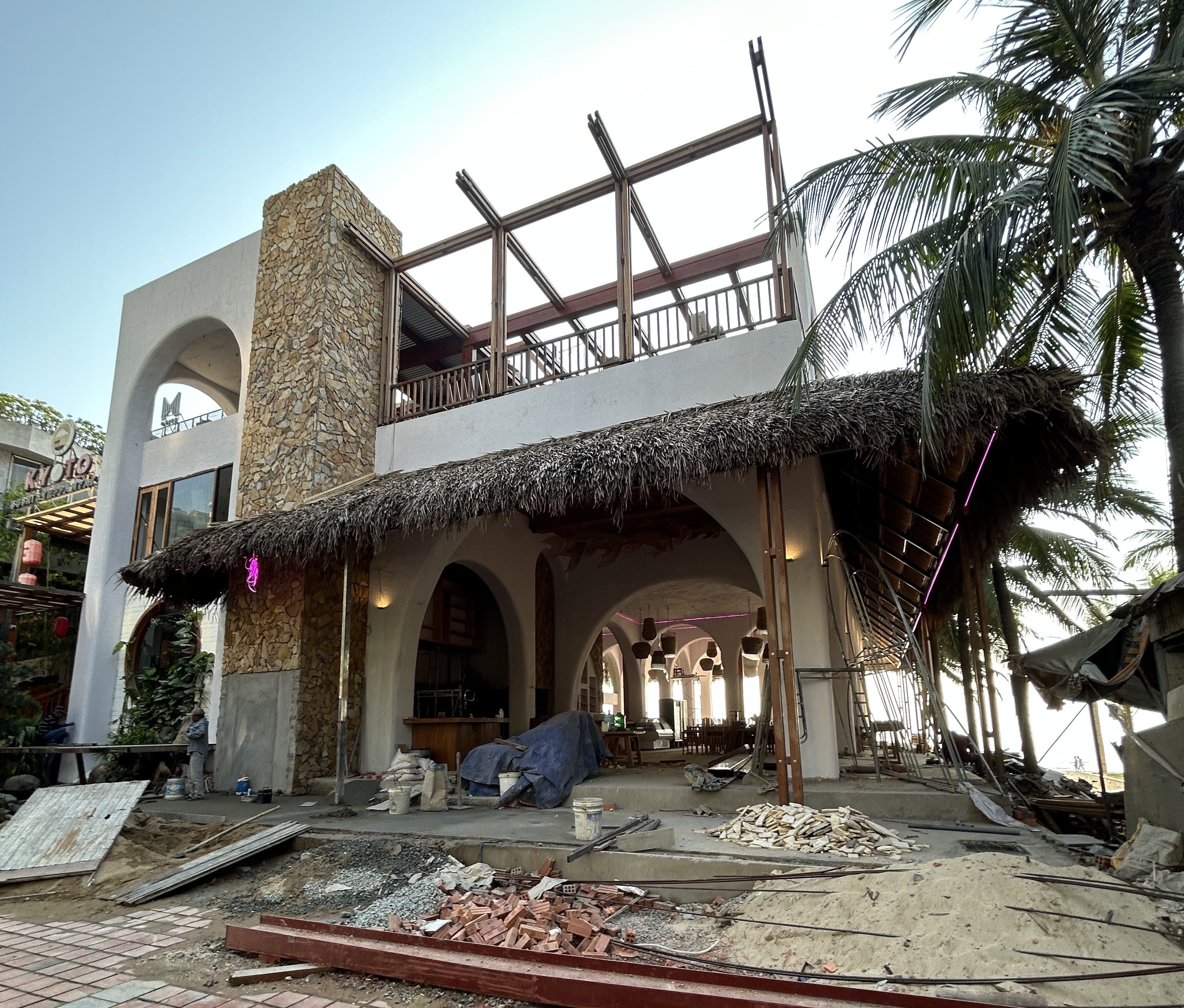
The hardware is going in fast. Five-star resorts, international hotel brands, new infrastructure along the coastline. Da Nang is not positioning to stay cheap. But hardware is the easy part.
The software, the service quality, the hospitality instincts that only come from years of doing it, that takes time no amount of investment can shortcut. I’d give it five years. Not two or three. Five. For operators in competing cities, that’s still a window worth paying attention to.
What Regional Operators Should Know
Which brings us to what operators watching this from the outside should actually be thinking about.
Thailand’s Tourism Authority has been saying this out loud. The official strategy is now Value over Volume, a deliberate move away from mass tourism toward luxury and wellness travelers. At the government level, Da Nang building up its low to middle-tier appeal isn’t a direct threat. Thailand has essentially said it doesn’t want that traveler anymore.
But there’s a gap between what a government declares and what operators on the ground experience. The mid-tier hotels, the coworking spaces, the guesthouses, the restaurants and ecosystem built around extended-stay nomads. Most of them haven’t pivoted. And their revenue is quietly being eroded by markets moving faster than they are.
A few more nomads choosing Da Nang over Chiang Mai this season. A few more coworking operators picking Vietnam for their first property. A few more community builders deciding it’s easier to operate there. Each one is nothing. Compounded over five years, it becomes a real problem.
This isn’t a Thailand-only story either. Any destination that treats its middle tier as a given, without actively building something harder to copy, will face the same pressure from faster-moving markets. Da Nang is just the most visible example right now. The cautionary signal travels.
Beach and Cheap Are Table Stakes
“Cheap, easy to get around, the beach.” Those are the reasons someone tries a place. But they’re also the reasons someone leaves when the next city offers the same. The operators who will capture the global nomad audience long term are building what comes after: coworking with character, community events on a real schedule, a local network that makes a new arrival feel like an insider within a week.
That’s what converts a two-week visit into a 90-day stay. Any city can get cheap right. Very few build the layer underneath that makes people want to stay in it.
I’ll be watching Da Nang closely for the next few years. I have a feeling it’s going to surprise a few people.
(And no, I won’t be opening an Alt_ in Da Nang. I already have a Thai wife.)
John Ho runs Alt_ChiangMai & Alt_PingRiver, two coliving and coworking spaces in Chiang Mai, and leads the Nomad Friendly District initiative. The Extended Stay covers emerging trends in community-powered hospitality for operators and ecosystem builders.