Community Can Scale. The Industry Never Tried.
John Ho · Thu May 28 2026
Every time someone says “community doesn’t scale,” they’re implicitly comparing it to a software startup. Fast user growth, compressing unit economics, a product that replicates at volume with no meaningful increase in cost. That’s the benchmark they have in mind.
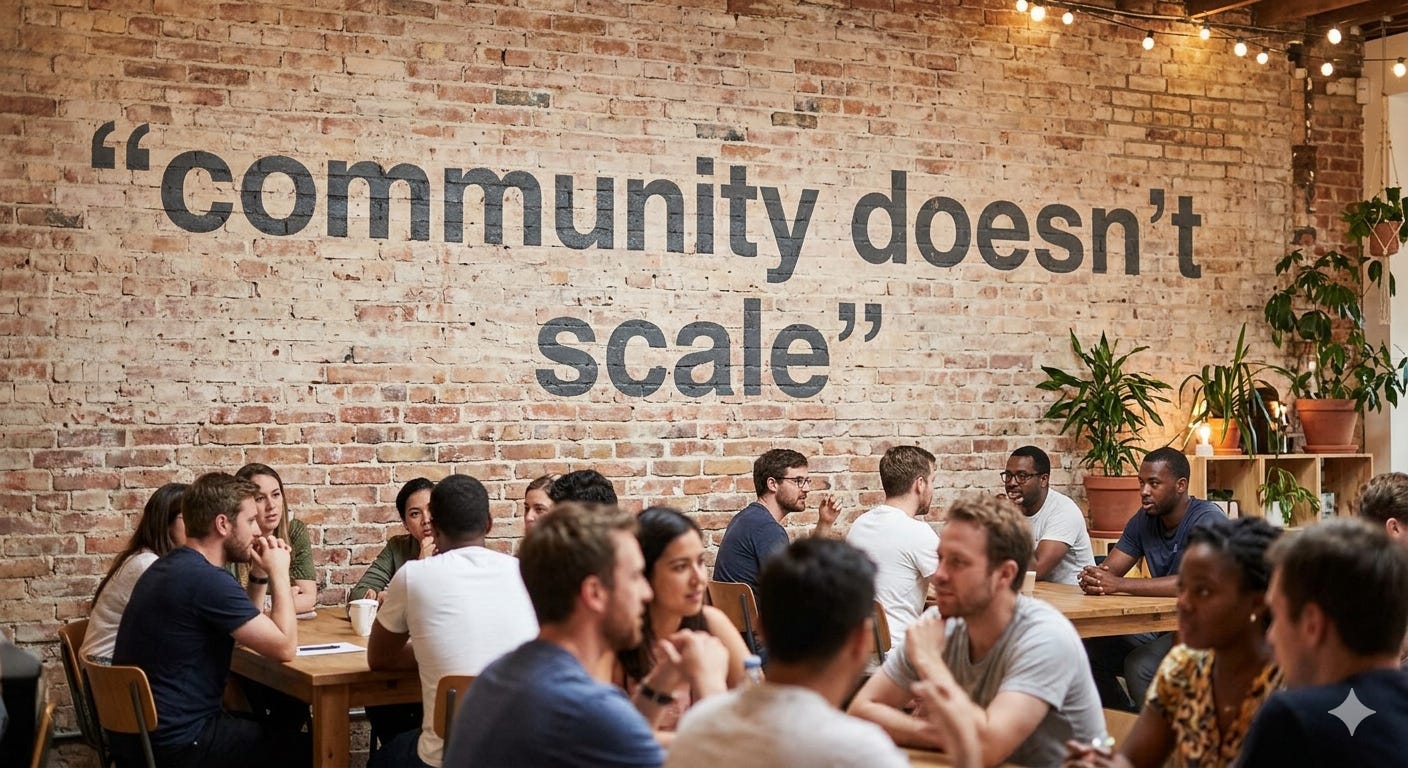
It’s the wrong benchmark. Hospitality has never worked that way.
I heard this line again recently, not in a comment thread but in a silence. I’d been under consideration to speak at a real estate industry event. The topic was community in hospitality. The invitation quietly went away. My read: the argument felt too confrontational for the room. Or maybe I didn’t have enough proof of scale yet to satisfy the audience.
Fair enough. But I’m not convinced the people making this argument have seriously interrogated the comparison.
The Frame Was Wrong From the Start
Selina raised $1.2 billion and declared insolvency in July 2024. Remote Year, acquired by Selina, never got to fail on its own terms. And before either of them, there was WeWork: Adam Neumann built his entire brand around community, “we” in the name, belonging as the pitch, human connection as the differentiator.
The operating model was real estate arbitrage. When the story got stress-tested against the financials, $47 billion in valuation became a bankruptcy filing. Community was the narrative. It was never the infrastructure.
Three different sectors, three different products. Same story: apply venture-scale expectations to a community-facing business and something gives. It’s always the community layer that gives first.
But none of them were killed by community. They were killed by venture capital logic applied to businesses that don’t behave like software. VC funding carries growth expectations: fast user acquisition, network effects, unit economics that compress as you add locations. Community-focused operations don’t work that way.
The comparison to startup scaling is the wrong framing.
Industrial Farming Scaled. Look What It Did to the Soil.
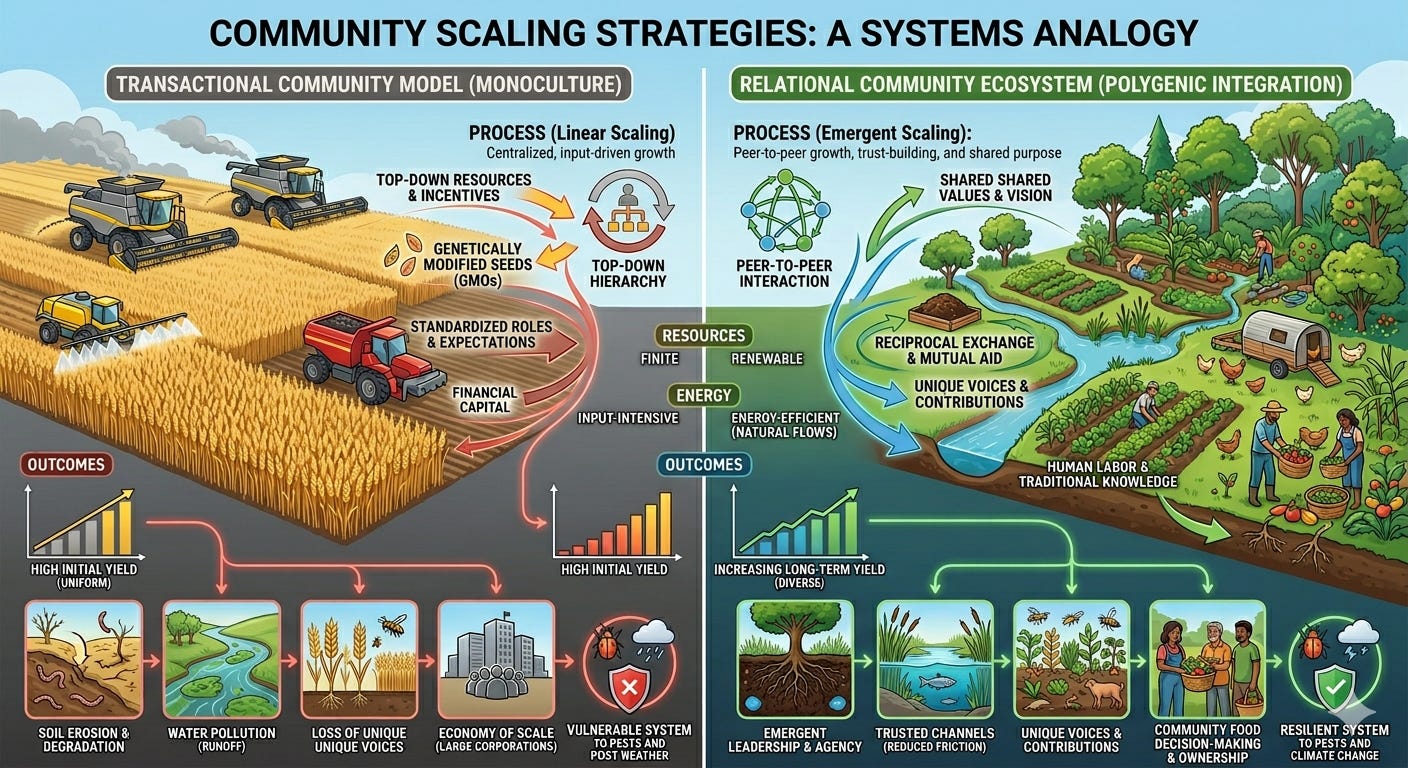
Industrial agriculture proved you can scale food production far beyond what anyone thought possible. Monocrops, heavy inputs, maximum yield per acre. It works, measured on its own terms. The problem is what it costs: soil degradation, biodiversity loss, long-term fragility built into short-term efficiency.
Selina is the clearest version of this in coliving. The early positioning was built around community: programming, shared spaces, the experience layer. Whether that investment was ever deep is debatable. What’s clear is that it didn’t survive the growth pressure. The community layer got squeezed because it was the hardest line to defend at the pace the model demanded. By the time the insolvency came, the soil was gone.
The question the coliving industry hasn’t been willing to ask seriously is: at what cost?
There are brands using “community” and “meaningful connections” throughout their marketing and pitch decks right now. I’d challenge anyone to find me a company in this space with a clear line item on their balance sheet marked community investment. Not events budget. Not marketing spend. A dedicated line that says: this is what we spend building the human infrastructure of our spaces.
The issue isn’t that community can’t scale. The issue is that the industry has only tried to scale it the way industrial farming scales crops
There’s a different model. It’s slower, harder to pitch, and it doesn’t produce the kind of numbers that get announced in press releases. But it produces something that holds.
Permaculture Logic
The permaculture model, applied to community at scale, doesn’t look like a Selina at 200 locations. It looks like 200 independent operators in different cities, using the same philosophy, sharing what works, learning from what doesn’t. Connected by shared hiring standards, shared programming frameworks, and shared onboarding playbooks.
The structure that makes this viable is also different from the standalone coliving model most operators are working from. Community-focused coliving embedded inside a mixed-use commercial and residential development is one version: a neighborhood, not a facility. The real estate infrastructure holds the development together. The community layer is what makes it a place people want to be in.
This is what I’m working toward with the Nomad Friendly District at Wat Ket in Chiang Mai, part of a broader effort to build community at district scale rather than room scale. I wrote about how that came together, including the government support behind it, in a recent issue.
Community Investment Is an Operational Discipline
Here’s the version of “community can’t scale” that I think has some truth to it: community investment treated as a vibe doesn’t scale. Fuzzy good intentions, an enthusiastic founder who’s always in the room, a feed full of smiling guests: none of that survives the founder leaving. When the personality walks out, the vibe walks out with it.
Community investment treated as an operational discipline is different. At Alt_ in Chiang Mai, we built toward this over years. Trained community managers who know how to onboard a new resident, run a dinner that actually builds relationships rather than just filling seats, and identify the guest who’s struggling and act on it before it becomes a problem. Part of that training was recalibrating service standards with our Thai operational staff.
Community-focused hospitality asks different things of a team than traditional hotel service culture does. That’s the real work nobody puts in a pitch deck. Space designed to create natural interaction points: kitchens, corridors, and common areas where people have reasons to stop and talk, not just pass through. Programming with a budget line and a named owner, not a committee that meets when someone remembers to organize it.
This kind of community can live in the system. And systems can be documented, taught, and transferred.
The operators who say community can’t scale mostly never built the system.
A lot of them tried to build an app instead: a community platform, a digital onboarding tool, a way to automate the human work. The app might have helped saving time and ease communication but it can’t replace the work of a community manager.
Another reason is that trained professionals in designing and building community spaces barely exist as a category. There’s no standard curriculum, no established career path, no industry body setting the benchmark. Most operators who wanted to invest in community couldn’t find qualified people to hire even if they tried.
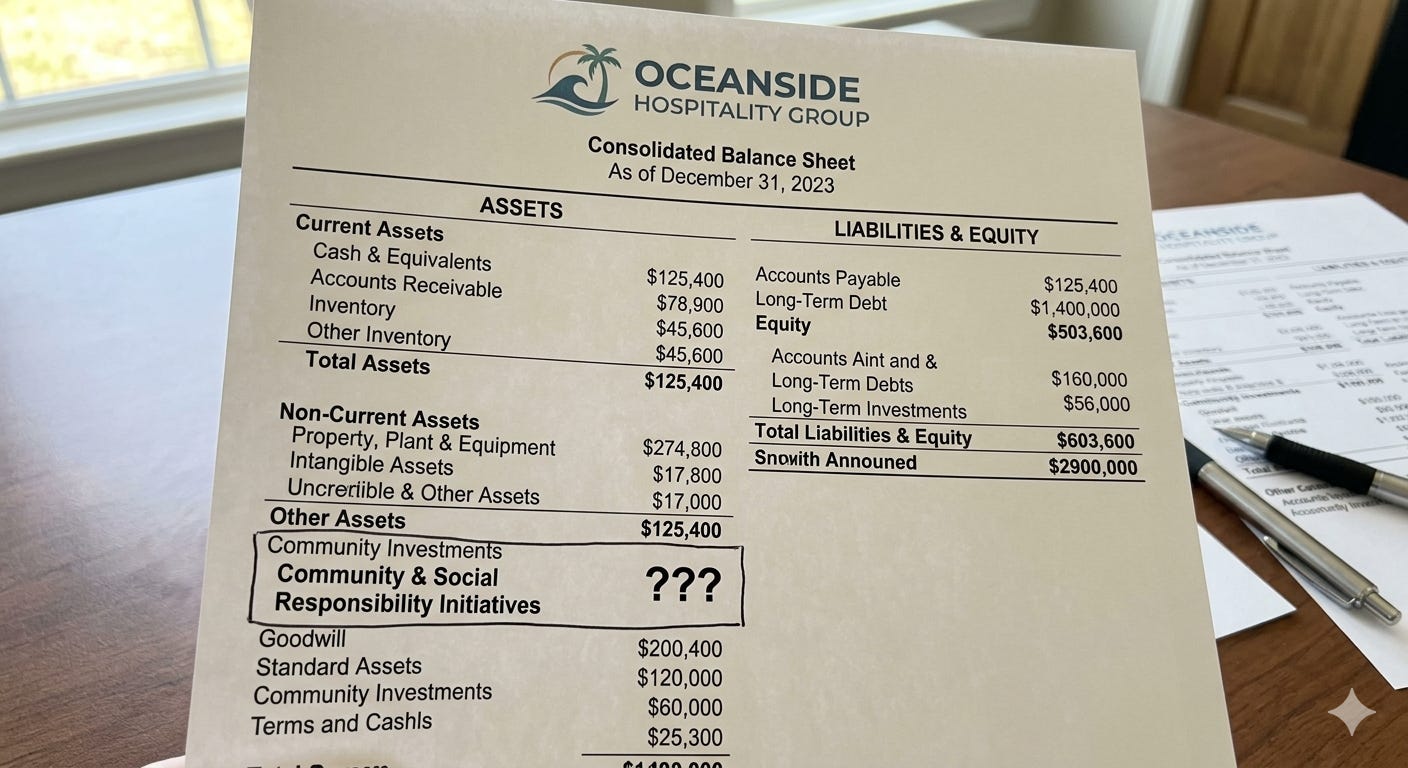
Building the system takes time and money before it produces returns. It means treating a community manager like a skilled hire with real training. It means defending the community budget at the P&L meeting when margins are tight. It means designing spaces with someone who understands how people actually move and eat and talk, not just how many beds fit per square meter. Most real estate-backed operators have never done this seriously. So the proof of scale doesn’t exist. And they’ve decided that’s confirmation it can’t.
Challenge Accepted
That’s what I said on the LinkedIn post that started this conversation. I meant it.
I’m not claiming I’ll succeed. The Wat Ket Nomad Friendly District project is early. The proof isn’t on the balance sheet yet. But the goal isn’t to build another coliving chain. It’s to build a district, then a network, then a model other operators can actually use.
The industry doesn’t need another Selina. It needs operators willing to invest in the soil.
John Ho runs Alt_ChiangMai & Alt_PingRiver, two coliving and coworking spaces in Chiang Mai, and leads the Nomad Friendly District initiative. The Extended Stay covers emerging trends in community-powered hospitality for operators and ecosystem builders.